This post contains affiliate links. If you buy through them, we may earn a small commission at no extra cost to you. Read our affiliate disclosure.
Quick answer: Most climbers need one dynamic single rope. For a first rope, choose one around 10mm thick (9.8 to 10.2mm) and 60 meters long. It survives the heavy wear of top-roping and lowering, and it is easier to grip and brake. Pick a thinner, lighter rope later, once you lead more than you top-rope.
My first rope was a Sterling, around 10mm thick and 60 meters long. If I could give a new climber one piece of rope advice, it would be this: don’t buy thin first.
Ask ten climbers which rope to buy and you will get ten answers. Most of them are right for the person giving them, not for you. A rope that suits a strong sport climber projecting at their limit is often a poor choice for someone in their first year.
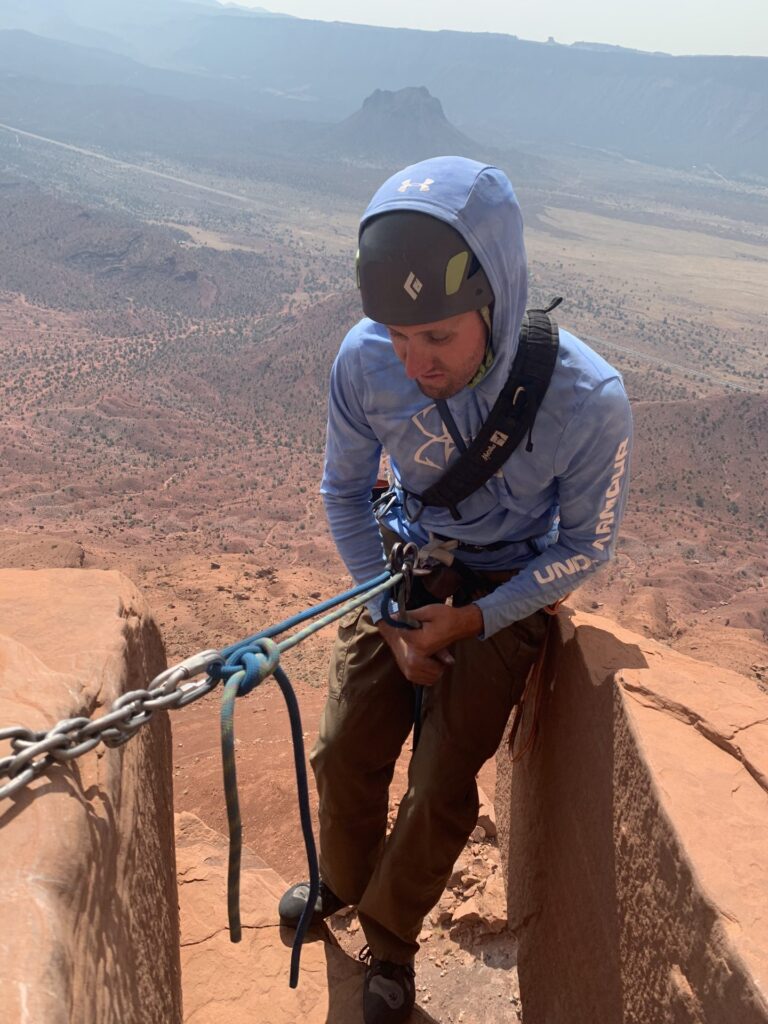
This guide explains what actually matters when you choose a rope, and which ropes we recommend to friends who are starting out. If you are brand new, start with our guide on how to start roped climbing outside.
My lesson: don’t buy thin first
Thin ropes look great on paper. They are lighter in the pack and run smoothly through the draws. That is why so many new climbers buy one. But a thin rope is a tool for a climber who already has the basics down.
- It wears out faster. Your first year is full of top-roping, hanging on the rope and lowering. That rubs the sheath every single day. A thicker sheath takes much more of that before it looks tired.
- It is harder to hold. A thin rope slides faster through a belay device and through your brake hand. New belayers have enough to learn without that.
- It is less forgiving. Sharp edges, a missed rope bag and a few dirty days hurt a thin rope more.
- You save weight you don’t need. A few hundred grams only matter on long approaches and hard redpoints. That comes later.
Start with a rope around 10mm. When you lead most of your climbs and the rope starts to feel heavy on long days, that is the time to add a thinner one.
Dynamic or static?
Climbing ropes are dynamic. They stretch to absorb the force of a fall. Static ropes barely stretch. They are for hauling, rescue and fixed lines. Never top-rope or lead on a static rope.
Single, half or twin?
Buy a single rope. It is the simplest to use and right for almost all cragging. Half and twin ropes are two-rope systems for long alpine routes and ice. They come later, if at all.
Diameter: why beginners should go thick
- 9.8 to 10.2mm and up. The best first rope. Durable and easy to handle. Right for top-roping, working routes and learning to belay.
- 9.4 to 9.7mm. A good all-round range once you lead regularly.
- Under 9.4mm. Light and fast, but it wears quickly and is harder to hold. Save it for experienced climbers on hard routes.
New climbers spend most of their time hanging, lowering and top-roping. All of that grinds the sheath. A thick rope takes that abuse far better, and it feels more secure in a tube-style belay device.
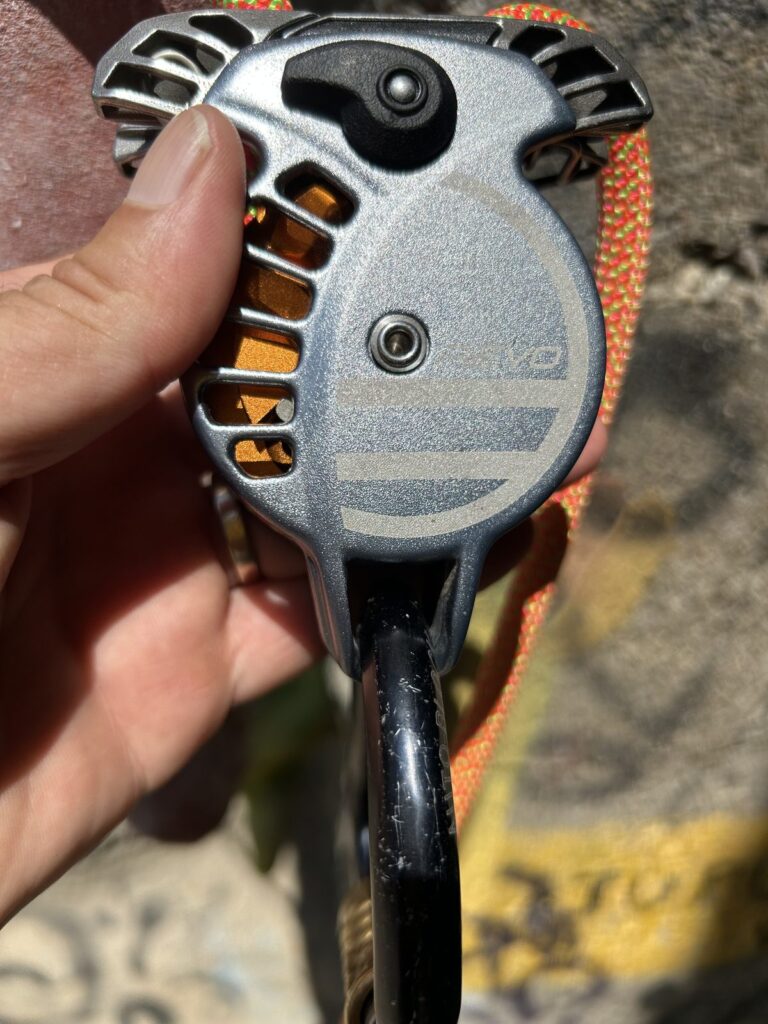
Check your belay device too. Every device lists the rope diameters it is rated for. Most work well with a rope around 10mm, but some assisted-braking devices have a narrower range. Read the label before you buy the rope.
Length: 60 or 70 meters?
Your rope must be at least twice the height of the route so you can lower to the ground. A 60-meter rope covers most crags. Some sport areas need 70 meters. Check the guidebook for your local crags before you buy. Always tie a stopper knot in the end of the rope.
A 60-meter rope was the right length for my first one. It is also lighter to carry and cheaper than a 70. If most routes at your home crag are short, 60 meters is the simple choice.
Dry treatment
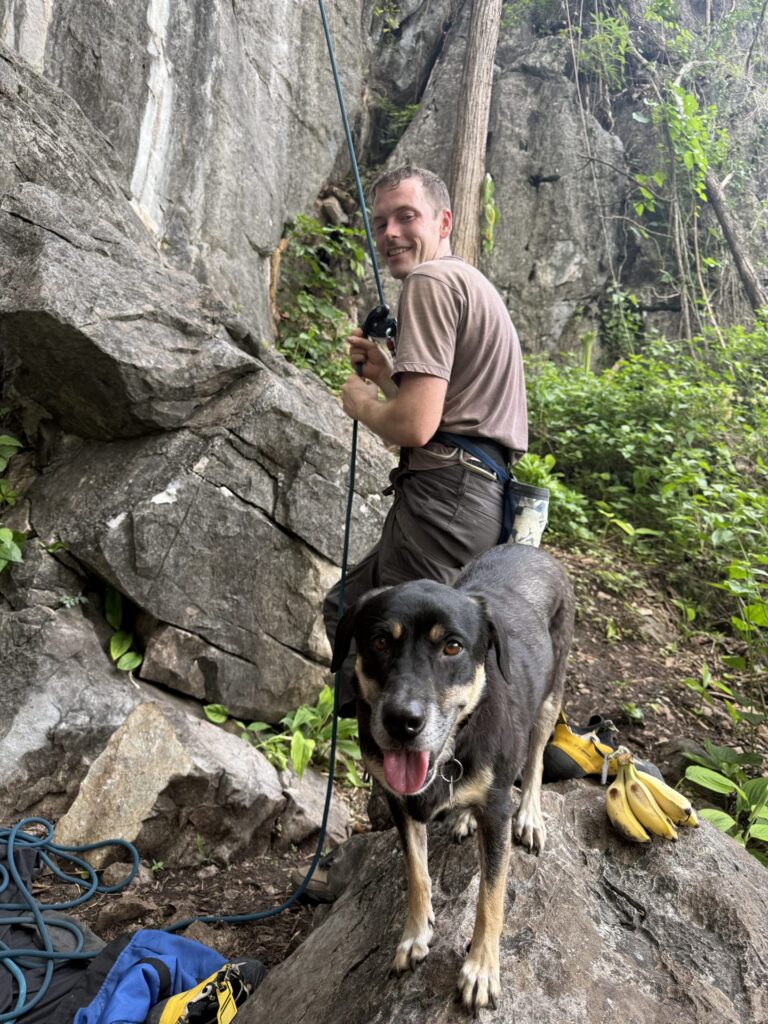
Dry-treated ropes resist water and dirt. They matter for ice, alpine routes and wet climates. For dry-weather cragging, a non-dry rope is fine and costs less. A dry-core rope, like the Sterling below, is a middle option: the core resists water and the price stays lower than a full dry rope.
Other features worth having
- Middle mark. Essential when you start rappelling. Bicolor ropes have a permanent, easy-to-see middle.
- A rope bag or tarp. Keeps dirt and grit out of the core, which makes the rope last longer.
The best first ropes: around 10mm
These are the ropes I would point a friend to for a first rope. We checked each one in October 2026. Stock on thick ropes changes fast, so check the length and color when you order.
Sterling VR9 9.8mm: closest to my first rope
My first rope was a Sterling. The VR9 is a dry-core single rope at 9.8mm, so it handles like a classic 10mm rope but is a little lighter. It comes in 60 and 70 meters.
Black Diamond 9.9mm: the budget workhorse
A non-dry rope with a thick sheath, made for the crag and the gym. It is one of the most reviewed ropes at REI, and it is often the cheapest good first rope you can find.
If you want the thickest rope
- Beal Antidote 10.2: built for repeated top-roping and lowering. Stock is often limited.
- BlueWater Eliminator 10.2: a tough, double dry rope for heavy use. It costs more than the others.
How to care for your rope
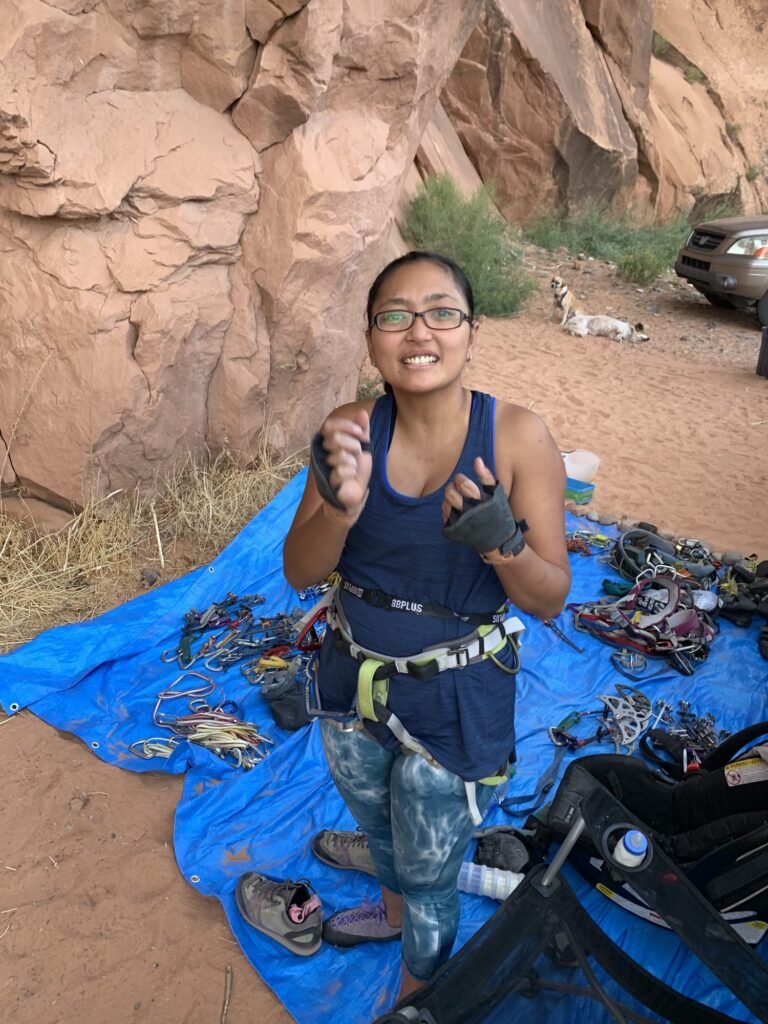
- Keep it off the dirt with a rope bag or tarp.
- Never step on it. Grit works into the core.
- Store it out of sunlight and away from chemicals, especially car batteries.
- Wash it in plain cool water when it gets dirty, then air dry it out of the sun.
- Inspect it by running it through your hands. Look for soft spots, flat spots or exposed core.
A rope bag with a built-in tarp does two jobs at once. You flake the rope onto the tarp at the base, then roll it all up and carry it home.
When to retire a rope
Retire a rope right away if the core shows, if you feel a soft or flat spot, or if it has held a very severe fall. Otherwise, follow the manufacturer’s guidance on age and use. A rope used every weekend may last a year or two. One used a few times a year can last much longer. When in doubt, replace it.
Frequently asked questions
What rope should a beginner buy?
A dynamic single rope, around 10mm thick (9.8 to 10.2mm) and 60 meters long, from a known brand.
Is a 9.8mm rope OK for a beginner?
Yes. A rope from 9.8 to 10.2mm is a good first rope. Go thinner only once you lead most of your climbs.
Is a thicker rope safer?
Every certified dynamic rope is safe when used correctly. A thicker rope lasts longer and is easier to grip and brake, which helps beginners.
Do I need a dry rope?
Not for dry-weather cragging. Choose dry treatment for ice, alpine routes and wet climates.
Can I buy a used rope?
No. You cannot know its history. Buy life-safety gear new.