Choosing a suitable climbing rope is a pivotal decision for any climbing enthusiast. Whether tackling a steep mountain or climbing at your local gym, having the correct rope can make all the difference in safety and performance. This beginner’s guide will walk you through the essentials of climbing ropes, ensuring you’re well-equipped for your next adventure.
In this guide, we will explore the different types of climbing ropes and the key features you should consider before purchasing. We will also share expert tips on maintaining and caring for your ropes. You’ll also find recommendations on where to buy and what to avoid, ensuring your climbing experience is as fulfilling as safe.
Types of Climbing Ropes
Dynamic Ropes
Dynamic ropes are designed to stretch and absorb the impact of a fall, making them ideal for activities where falls are likely, such as sports climbing and traditional climbing. These ropes come in various subtypes: single, half, and twin. Single ropes are versatile and commonly used in sports climbing scenarios, while half ropes are used in pairs to reduce rope drag on long climbs. Twin ropes, on the other hand, are always used together for maximum security.
The flexibility of dynamic ropes offers significant benefits. Their stretch reduces the impact on a climber during a fall, minimizing potential injuries. Climbers often choose dynamic ropes for their versatility and ability to adapt to different climbing conditions, from rugged outdoor terrains to indoor climbing walls. In the market for climbing ropes, check out my 5 Favorite Climbing Ropes.
Dynamic ropes are indispensable for any climbing setup due to their superior fall protection capabilities. Before purchasing, consider the climbing you plan to do, as this will determine whether you need a single, half, or twin rope.
Static Ropes
Static ropes are designed with minimal stretch, providing high strength and durability. Unlike dynamic ropes, static ropes are not used for climbing falls but excel in other applications such as rappelling, rescue operations, and hauling loads. Their firm structure makes them unsuitable for sport or trad climbing, but they are essential in situations requiring stability and precision.
The low-stretch nature of static ropes makes them perfect for tasks where flexibility is not required. Whether anchoring yourself during a rescue or lowering equipment in a controlled manner, static ropes provide the reliability and strength needed to complete these tasks safely.
When considering a static rope, focus on the specific needs of your planned activities. The rope’s construction should match the demands of your intended use, ensuring safety and efficiency in all your endeavors.
Key Features to Consider
Diameter and Weight
Rope diameter significantly impacts a climber’s experience. Thicker ropes, typically 10mm to 11mm, offer enhanced durability and are easier to grip, making them suitable for beginners and heavy-use climbing. Thinner ropes, usually between 8mm and 9.5mm, are lighter and provide less rope drag but may wear out faster.
Choosing the correct diameter depends on your climbing style and personal preference. A thinner rope might be preferable if you frequently climb challenging routes or are concerned about weight. However, a thicker rope is recommended for those prioritizing durability and ease of handling.
The weight of the rope, often correlated with its diameter, should also be considered. Lightweight ropes are advantageous on longer climbs where every ounce counts. Always balance the pros and cons of thicker versus thinner ropes based on your climbing environment and objectives.
Length
The length of a climbing rope is another crucial feature to consider. Standard rope lengths are 60m, 70m, and 80m, catering to different climbing needs. A 60m rope is sufficient for most indoor and shorter outdoor routes, while a 70m rope offers extra length for longer ascents. For expansive alpine routes, an 80m rope may be necessary.
Choosing the correct length involves understanding the typical routes you will encounter. Ensure your rope is long enough for safe descents and any unforeseen situations requiring additional length.
When deciding on rope length, also consider your climbing environment. For instance, some climbing areas may have fixed route lengths, so aligning your rope choice with those specifications is crucial.
Sheath and Core
Understanding rope construction, particularly the sheath and core, is vital. The sheath is the outer layer that protects the core, and its thickness and weave determine the rope’s durability and resilience against abrasion. The core provides strength and elasticity, with various construction types available to suit different climbing needs.
When selecting a rope, consider the thickness and weave of the sheath, as these factors influence its longevity and performance. A thicker sheath can withstand more wear and tear, making it ideal for frequent outdoor use.
The core’s construction type affects the rope’s handling and overall strength. Familiarize yourself with different core technologies and choose a rope that aligns with your climbing activities and priorities.
Rope Ratings and Certifications
UIAA and CE Ratings
The UIAA (International Climbing and Mountaineering Federation) and CE (Conformité Européenne) certifications are critical indicators of a rope’s safety and reliability. Ropes meeting these standards have undergone rigorous testing for factors like tensile strength and durability, ensuring they meet international safety benchmarks.
Checking for these certifications is non-negotiable when purchasing a climbing rope. They signify that the rope has been tested for various stress factors and can be trusted to perform safely under challenging conditions.
Always verify that your chosen rope meets these certifications before purchase. Doing so guarantees that you’re investing in a product that adheres to the highest safety standards in the climbing industry.
Impact Force Rating
The impact force rating of a climbing rope describes the amount of force transmitted to the climber and anchor during a fall. A lower impact force is generally preferable, as it reduces the risk of injury to the climber and strain on the equipment.
Understanding the impact force rating helps you select a rope that minimizes potential risks during falls. Compare different ropes within your chosen category to find one that balances safety with performance.
This rating is essential for climbers tackling high-impact routes, where falls are more likely to occur. Choosing a rope with a suitable impact force rating enhances your safety on the wall.
Fall Ratings
The fall rating of a rope indicates how many standard falls it can withstand before needing replacement. This rating estimates the rope’s durability and is crucial in assessing its longevity and reliability during climbing.
When choosing a rope, consider its fall rating, your climbing frequency, and typical route challenges. A higher fall rating is desirable for frequent climbers or those tackling challenging routes.
Understanding fall ratings empowers climbers to make informed decisions about when to replace their rope, ensuring safety throughout their climbing adventures.
Rope Care and Maintenance
Cleaning and Storage
Proper cleaning and storage techniques are vital to prolonging the life of your climbing rope. Hand washing with mild soap and cold water is recommended, although some ropes are machine-washable. Avoid harsh chemicals and excessive heat, which can degrade the rope’s material.
Storing your rope properly can significantly extend its lifespan. Keep it away from direct sunlight and chemicals, and store it loosely coiled in a dry, cool place.
Regularly cleaning and correctly storing your rope are simple yet effective ways to ensure it remains in top condition, ready for your next climb.

The Mammut Infinity Dry is my go-to for durability. With a 9.5mm diameter and a weight of 58 grams per meter, it offers a great mix of toughness for frequent use and lightness for challenging climbs.
Inspecting for Damage
Inspecting your climbing rope for damage is crucial to ensuring safety. Check for signs of wear and tear, such as frayed sheaths, soft spots, or exposed cores. If any significant damage is found, the rope should be retired immediately.
Regular inspections help detect issues early, preventing potential accidents during climbs. Make it a habit to thoroughly inspect your rope before each use, focusing on high-friction areas and any sections that have experienced falls.
Stay vigilant in examining your rope’s condition to maintain the highest safety standards, allowing you to climb confidently.
Lifespan of a Climbing Rope
Climbing ropes don’t last forever; knowing when to retire a rope is essential. Most manufacturers recommend replacing a rope after three to five years, depending on usage and condition. Signs that a rope is nearing the end of its life include significant wear, stiffness, and an increase in thickness.
Keep track of your rope’s age and usage, and avoid caution when considering its retirement. Exposure to UV light and improper storage also influence a rope’s longevity, emphasizing the importance of proper care.
Understanding your climbing rope’s lifespan ensures you’re not caught off guard during your climbing adventures, safeguarding your safety and enhancing your performance.
Budgeting and Purchasing Tips

Tendon has been at the forefront of rope manufacturing for decades and is a leader in technology and innovation in its state-of-the-art facilities in the Czech Republic.
Price Ranges
Climbing ropes vary widely in price, ranging from budget-friendly options to high-end models with advanced features. Understanding what to expect at different price points can help you make an informed decision that balances cost with quality.
Entry-level ropes are typically less expensive but may lack durability or advanced features. Mid-range ropes offer a good balance of quality and affordability, while premium ropes provide exceptional performance and longevity.
Assess your needs and budget to determine which price range suits your climbing goals. Remember that investing in a quality rope is an investment in your safety and enjoyment.
Best Places to Buy
Consider reputable online retailers, specialist climbing stores, and local outdoor shops when purchasing a climbing rope. These outlets often provide expert advice and a wide selection of ropes.
Online retailers offer convenience and competitive pricing, while specialist stores provide personalized service and the opportunity to inspect the rope before purchasing it physically. Local stores also contribute to your community and may offer specialized knowledge of climbing conditions in your area.
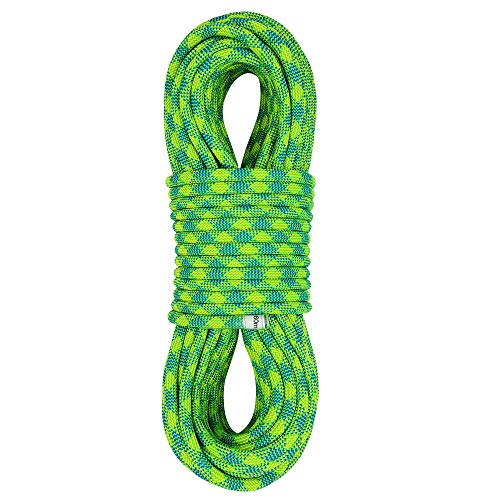
Choose a purchasing method that aligns with your preferences and values, ensuring you receive a quality product backed by knowledgeable support. I always look for great deals on Amazon Climbing Ropes
Second-hand Ropes
While buying second-hand ropes might seem like a cost-saving option, it’s generally not advisable due to safety concerns. Used ropes may have been subjected to unknown stresses or damage, compromising their integrity and reliability.
It’s better to err on caution when climbing ropes and invest in a new one. This ensures you have a product with a known history and reliable performance characteristics.
When deciding on rope purchases, prioritize safety over savings. A new rope provides peace of mind and quality assurance for safe climbing experiences.
Top Rope Recommendations for Beginners
Single Ropes
Single ropes are highly recommended for beginners due to their versatility and ease of use. Look for ropes with a diameter of 10mm or more, balancing durability and handling.
Brands like Mammut, Petzl, and Beal offer excellent single-rope options. These brands are known for their quality and reliability. These brands provide ropes tailored to various climbing styles and preferences, ensuring a suitable choice for any beginner.
Investing in a quality single rope lays a solid foundation for your climbing adventures, offering the security and performance needed to build your skills.
Half Ropes
Half ropes are ideal for beginners venturing into trad climbing or alpine routes. Because they are used in pairs, they offer reduced rope drag and added security.
Consider brands like DMM and Edelrid, which provide excellent half-rope options known for their durability and performance. These ropes cater to the specific needs of trad climbers, making them a valuable addition to your climbing gear.
Choosing the suitable half rope enhances your climbing experience, giving you the confidence to tackle challenging routes easily.
Twin Ropes
Twin ropes are recommended for beginners looking to explore ice and alpine climbing. They provide maximum security and are always used in pairs to share the load.
Brands such as BlueWater and Sterling offer top-quality twin ropes that cater to the specific demands of these climbing disciplines. Their ropes are designed to withstand harsh conditions and provide security for ambitious climbs.
Investing in a reliable twin rope set allows beginners to explore new terrains confidently, knowing their equipment is up to the task.
Conclusion
Choosing a suitable climbing rope is fundamental to preparing for your climbing adventures. By understanding the types of ropes available, their features, and the importance of certifications, beginners can make informed decisions that enhance their safety and performance.
Maintaining and caring for your rope ensures its longevity and reliability, allowing you to focus on the joy of climbing. Whether selecting a rope for the first time or seeking to expand your climbing gear, this guide equips you with the knowledge needed to make the best choice.
Empower yourself to climb confidently and safely by following the insights shared in this beginner’s guide to climbing ropes. For further exploration, consider engaging with professional advice or joining a climbing community to deepen your understanding and skills.
Further Reading and Resources
Thank you for reading our post. If you found this information helpful, you might enjoy our other articles tailored to enhance your climbing experience and knowledge.
Buying Your Child’s First Climbing Harness: Essential tips for selecting the perfect harness for your young climber.
5 Favorite Climbing Ropes: Our top picks for today’s best climbing ropes.
Beginner’s Guide to Climbing Ropes: Everything you need to know to start climbing ropes.
Climb Safe and Smart with the Best Quickdraws: A guide to choosing and using quickdraws effectively.
A Parent’s Guide to Kids Climbing Essentials: Must-have gear for keeping your child safe and comfortable while climbing.
Beginner’s Guide to Climbing Shoes: Tips for selecting the right climbing shoes for beginners.
Ultimate Gear Guide for New Climbers: Comprehensive advice on essential climbing gear for newcomers.
Getting Started in Trad Climbing: An introduction to traditional climbing techniques and equipment.
A Climber’s Guide to Rope Bags: Recommendations for the best rope bags to keep your gear organized.
A Climber’s Guide to Helmets: Important considerations for choosing the right climbing helmet.
Best Climbing Harnesses for Beginners: Our favorite beginner-friendly climbing harnesses.
Explore these resources to continue your climbing journey with confidence and the best gear. Happy climbing!