Airline Tips for Flying With A Dog
Let me tell you about the time we almost did not make a flight because of a crate bolt.
We were at the check-in counter in Madrid. Our dog, Coco, was calm in her carrier, we had every document printed in triplicate, and we had checked the airline’s website three separate times that week. The check-in agent leaned forward, examined the carrier, and told us the bolt mechanism on the door was not IATA-compliant. Not the crate. Not the size. One bolt.
The airline’s website had zero mention of bolt mechanisms. The FAQ said nothing about IATA hardware standards. It simply said ‘hard-sided, airline-approved carrier.’ We had one. Just not compliant enough for this particular agent on this particular morning.

We made the flight. A maintenance worker happened to have a compatible bolt in a toolkit twenty meters away, and a gate agent who had seen this before helped us swap it in seven minutes. But that is not the point. The point is that airline pet policies are written by legal teams, not by people who have ever actually flown with a dog. And the gap between what the website says and what happens at check-in is very real.

We have flown with Coco on nine trips now across four airlines. Here is what we have actually learned.
The website is your starting point. The phone call to the airline is your real policy. The check-in agent’s judgment is your final answer.
What to Do: The Prep That Actually Matters
1. Call the airline, don’t just read the website
Every airline has a pet policy page. Almost none of them are complete. The page will tell you size limits and fees. It will not tell you how many pets are allowed per cabin on that specific aircraft type, whether the policy changes by route, or what the agent at check-in is actually looking for.
We call, every single time. We ask specifically: how many in-cabin pets are allowed on this flight, what are the hard dimensions for under-seat carriers on this aircraft, and is there anything I need to have ready at check-in beyond the health certificate. The answers have surprised us on more than one occasion.
2. Book the carrier before you book the flight
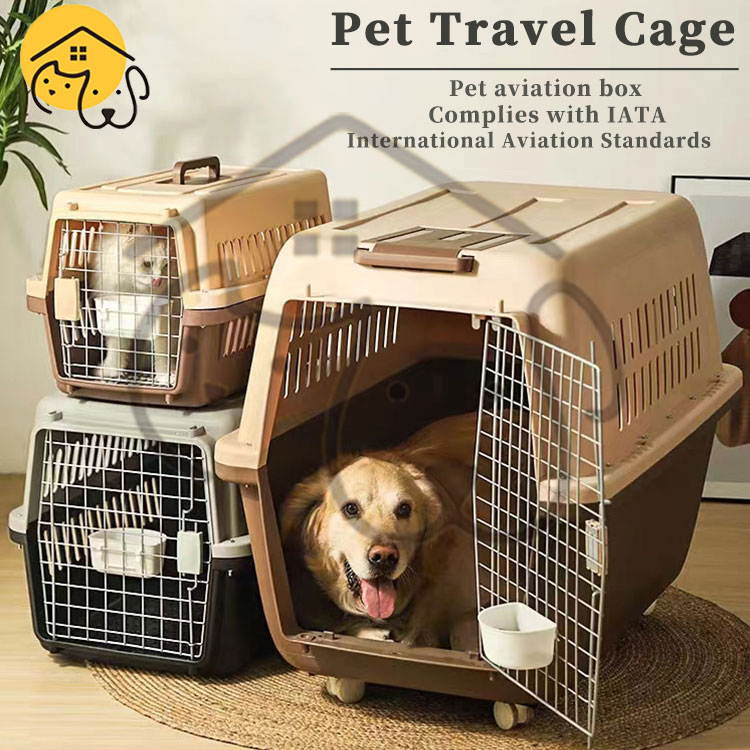
The under-seat dimensions vary by aircraft. A carrier that fits perfectly on a Boeing 737 may not fit under the seat of an Embraer regional jet. Before you commit to any flight, check the aircraft type, then find the actual under-seat dimensions, then buy the carrier that fits. We keep ours from PetCo, they carry a solid range of airline-approved soft-sided carriers and the sizing information is clearly listed. We measured ours against three different aircraft types before we traveled the first time.
3. Time the vet certificate correctly
This one is worth marking in your calendar the moment you book a flight. Most airlines and almost all international destinations require a USDA-accredited veterinary health certificate issued within 10 days of travel. Not two weeks. Not a month. Ten days.
We learned this the hard way on our first international flight with Coco. The certificate our vet issued was twelve days old when we arrived at check-in. We were allowed to board, the agent made a judgment call but we were told very clearly that on a different day, with a different agent, we would not have been. Now the vet appointment goes straight into the calendar the moment we confirm a flight.
4. Prepare the crate to feel like home
Coco travels better when the carrier smells familiar. A few days before any trip, we put her regular blanket inside and leave the carrier open in the living room so she uses it voluntarily. We also use calming chews about 90 minutes before departure not sedatives, just natural calming support. We get them from Chewy along with a collapsible travel bowl and an absorbent liner for the carrier floor. The liner has saved us from a genuinely terrible situation on at least one long flight.
5. Arrive earlier than you think you need to
With a dog, check-in takes longer. Document review takes longer. Security takes longer because the carrier goes through the X-ray separately and you hold the dog while it does. Budget an extra 45 minutes over whatever you would normally plan. We treat dog flights like international connections, we want to be at the gate with time to spare, not jogging.
What Not to Do: The Mistakes We Have Made or Watched Others Make
Don’t 1. Book last-minute and assume there’s still a pet spot
Airlines cap the number of in-cabin pets per flight. Typically, two to four animals total, not per cabin class. On popular routes or holiday travel periods, those spots fill quickly. We book Coco’s spot the same day we book our own tickets not after. The pet reservation is a separate process on most airlines and the fee is paid at that point. Assuming you can just show up and sort it at check-in has ended trips for other travelers we have met in departure halls.
Don’t 2. Buy the carrier without measuring your specific aircraft
The airline says ‘fits under the seat.’ That means nothing without the actual dimensions. We have seen carriers that are technically airline-approved but do not fit under the seat on regional aircraft. Buy your carrier from somewhere with clear sizing specs, PetCo lists dimensions reliably and cross-reference against your specific flight’s aircraft type before you commit.
Don’t 3. Skip the calming prep
The airport is loud and strange and full of smells. The security process is confusing for a dog they leave the carrier, come back, go through machines. A dog that is already anxious before boarding will not get calmer in the air. Natural calming support from Chewy given well before departure makes a measurable difference to Coco’s travel experience. We have also tried without it on a short flight to see the difference. We will not do that again.
Don’t 4. Assume cargo is fine for a dog you love
We have never put Coco in cargo and we do not intend to. The temperature, pressure, and handling conditions in cargo holds vary enormously by aircraft and airline. For dogs that exceed the in-cabin size limit, we reroute or choose not to fly. This is a personal decision, and cargo travel does work for many dogs. But if you are reading this considering it for the first time, research the specific airline’s cargo handling record before committing.
The Short Version
Flying with a dog is manageable. We do it regularly and Coco has become a genuinely experienced traveler. But it requires more preparation than flying without one, and the places where things go wrong are almost always the places the airline’s website failed to mention.
Call the airline. Time the vet certificate. Buy the right carrier for your actual aircraft. Pack the calming supplements and the crate liner. Arrive early. And if you’re still sorting out what goes into the bag that comes with her, our dog travel packing checklist from last week covers everything we bring on every trip.
The bolt thing in Madrid still makes me laugh now. At the time, it absolutely did not.
Getting our pet comfortable is just one part of our pre-trip checklist. Of course, traveling with children involves a whole different set of considerations.
That’s why we put together a detailed 7 safety considerations when travelling with kids to help other parents plan ahead and travel with peace of mind.
Do well to check it out.
Until next time.
Have a great week…