
Climbing gear is expensive, and kids outgrow it fast. The good news is that a family does not need much to start. A few pieces matter a lot for safety. Most of the rest can wait, be borrowed or be bought used.
This guide covers what to buy first, what to borrow, and what to skip.
Start with the three safety items
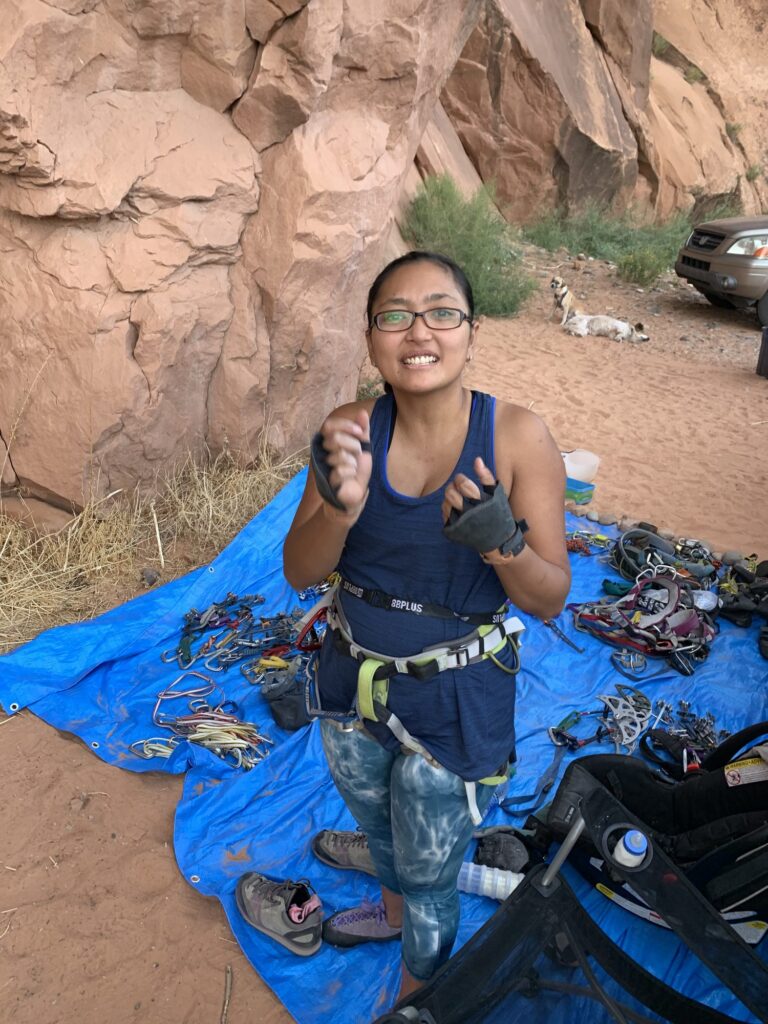
For each child who climbs, three things come first: a harness that fits, a climbing helmet and someone qualified to belay.
A harness that fits the child’s body
Young children usually need a full-body harness. Their hips are not yet defined enough to hold a sit harness securely, so a sit harness can slip off if they turn upside down. A full-body harness ties in at the chest and keeps them upright.
Harness maker Edelrid recommends full-body harnesses for children up to about 40 kg, moving to a sit harness once the hips have developed. The Alpine Institute suggests full-body harnesses for most kids under about six, depending on body size. Follow the manufacturer’s size and weight range for the harness you buy.
Older kids can move to a children’s sit harness when they fit it properly. Check the fit every season. Growth spurts change everything.
A climbing helmet, worn all day
A climbing helmet protects against rockfall and knocks from above. A bike helmet is designed for a different kind of impact and is not a substitute.
Kids should wear their helmet from the moment they arrive at the crag until they leave, not only when they climb. Children waiting at the base are in the drop zone for rocks knocked down by climbers above.
Buy a helmet sized for children and adjust it so it sits level and snug.
A competent belayer
The most important piece of family climbing gear is an adult who knows how to belay and build safe top-rope anchors. If no one in the family has those skills yet, take a course or hire a guide for the first outings.
Small children should not belay or rappel. Teach older kids under close supervision, with a backup belayer holding the brake strand.
Climbing shoes: helpful, not essential at first
Climbing shoes with sticky rubber help kids stand on small holds. But children’s feet grow quickly, and shoes get expensive.
For very young children on easy, low-angled routes, the Alpine Institute notes that simple sticky-soled water shoes can be enough. Once kids climb regularly, a pair of children’s climbing shoes with adjustable straps makes a real difference. Buy for comfort, not tightness. A painful shoe ends a child’s day fast.
Used kids’ shoes are a good option. They often have plenty of life left.
The family rope system
Most family climbing days are top-rope days. The adults need:
- A dynamic rope long enough for the routes you plan to climb. Check the guidebook for route lengths and make sure the rope reaches the ground when lowering.
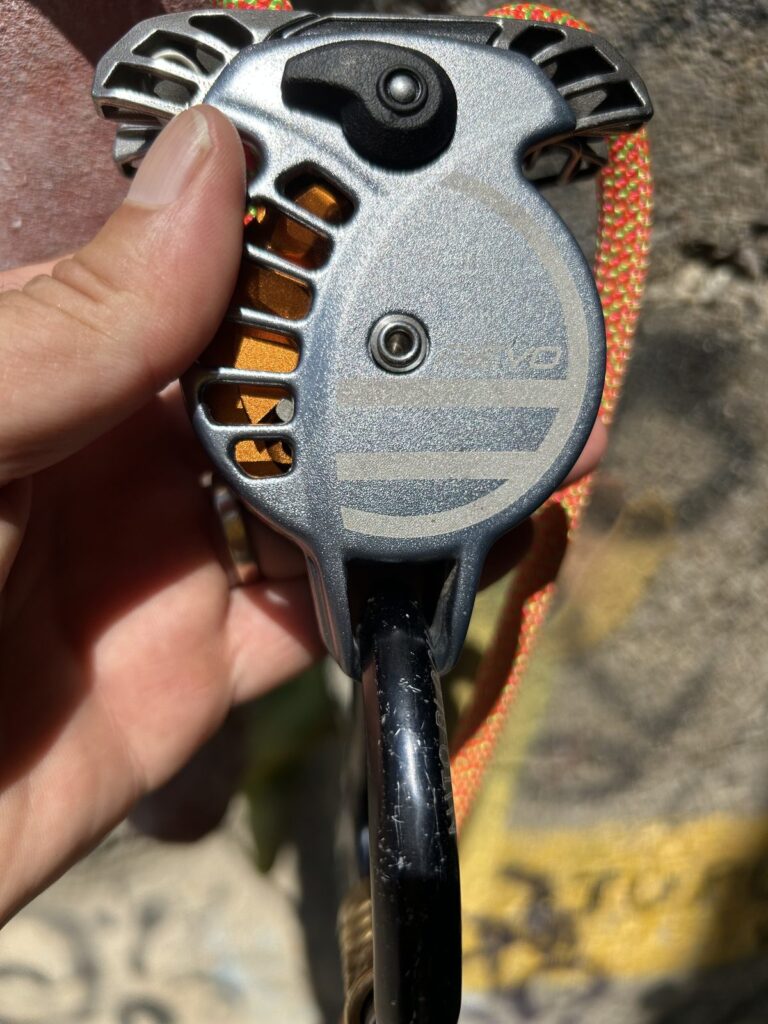
- A belay device. Assisted-braking devices add a margin of safety for many belayers. Learn to use whichever device you choose properly.
- Locking carabiners and the anchor materials your crag requires.
- A rope bag or tarp to keep the rope clean and to define a tidy area at the base.
If you are new to building anchors, this is where a course or guide pays for itself.
What to borrow or rent first
Before buying a full kit, try climbing a few times with borrowed or rented gear. Many climbing gyms rent harnesses and shoes. Guide services provide all equipment. Climbing friends often have outgrown kids’ gear.
Once your family knows it enjoys climbing outside, buy the pieces you use every time.
What to skip at first
- Chalk bags for small kids. Fun, but optional.
- Specialized gear for lead climbing. Not needed for top-rope days.
- Expensive adult gear upgrades. Your current kit is probably fine.
- Anything bought only because a child might grow into it. Safety gear must fit now.
Gear that lasts longer than the climbing gear
Kids outgrow harnesses, shoes and helmets, and ropes wear out. The pieces worth spending more on are often not climbing gear at all. A durable tarp or crag blanket, a sturdy child carrier, a good daypack, a headlamp, insulated bottles and a well-stocked first aid kit will last through many seasons and many growth spurts.
Look after the gear
Inspect harnesses, helmets and ropes before each trip. Retire gear that is damaged, has taken a big impact, or has passed the manufacturer’s lifespan. Second-hand shoes are fine. Second-hand harnesses, helmets and ropes are only worth it when you know their full history.
Buying in the right order
- Book a course or guide if no adult can belay and build anchors.
- Buy a well-fitting harness and climbing helmet for each child.
- Borrow or rent shoes until climbing becomes a habit.
- Build the family rope kit.
- Add comfort items for the day. See what to pack for a family day at the crag.
Gear is only part of a good family climbing day. Where you go matters as much. Read what makes a climbing crag kid-friendly and how to choose your first outdoor climbing area with kids before choosing your first outdoor spot, then browse our kid-friendly climbing destinations.