Traveling to Ifrane with Your Dog: Forest Trails, Cultural Navigation and the Fes Vet Network
I have walked a dog through Marrakech, Essaouira, and Agadir. I know what it costs in friction: the stray dog encounters, the medina alleys too narrow for a dog on a lead, the cultural side-eye in a country where dogs are working animals first and companions second. In all these, I am not complaining about any of it. But I am telling you that Ifrane is different, and the difference is structural rather than incidental.
Ifrane sits at 1,650 metres in the Middle Atlas, 60 kilometres south of Fes. It was built by the French in 1928 as a mountain retreat from the lowland heat, and the European architecture they left behind is only part of what makes it feel unlike everywhere else in Morocco.
Al Akhawayn University is based here. Its campus brings an international, English-speaking, cosmopolitan culture into what would otherwise be a small Berber mountain town.
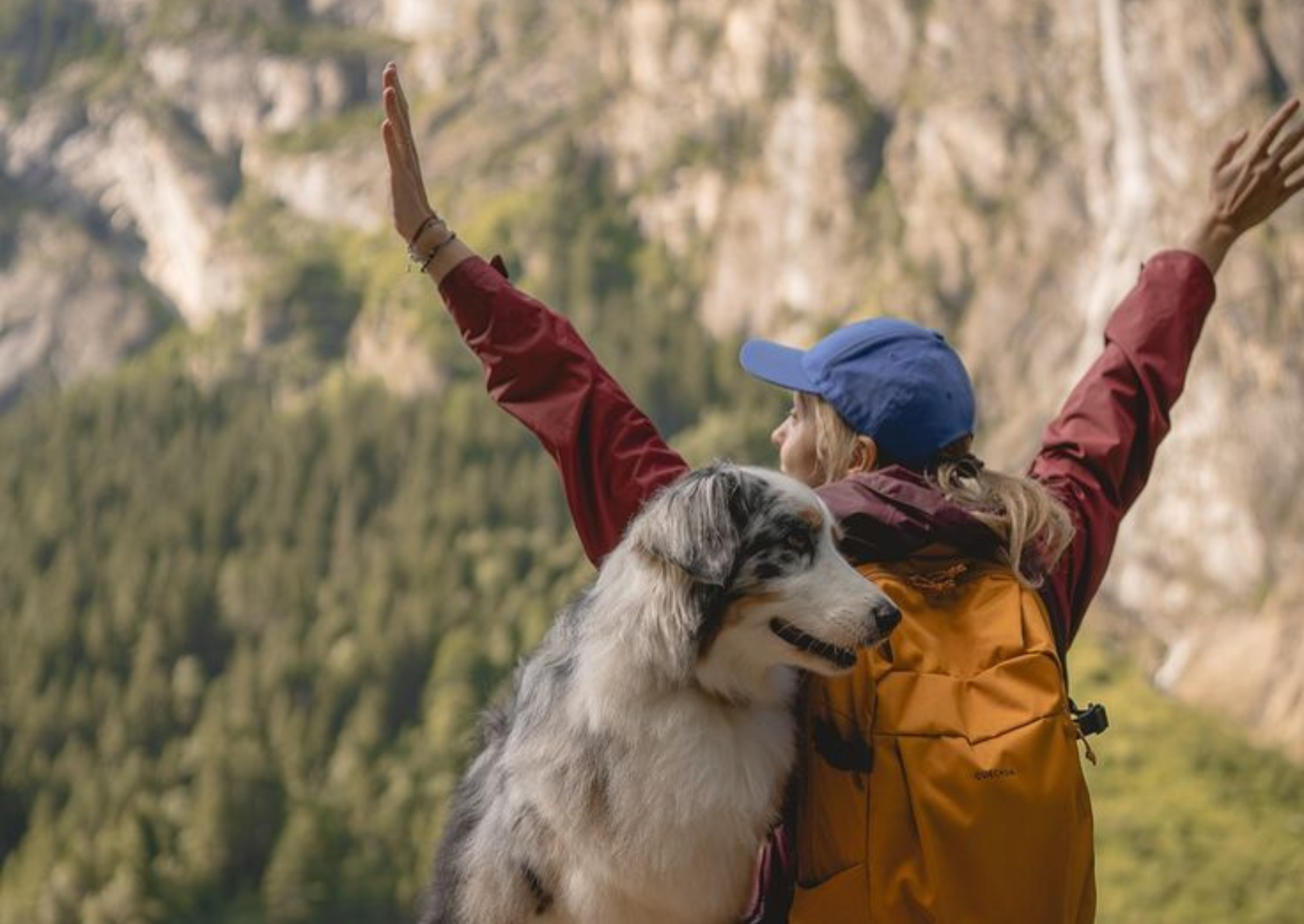
That combination creates something genuinely rare in Morocco: a place where walking a large dog down the main street is not a diplomatic incident.
The Cedar Forest is The Other Reason
The Ifrane National Park covers more than 500 square kilometres of cedar and pine forest, and the trails running through it have the lowest foot traffic of any dog-walking territory I have found in this country.
The stray dog density that makes off-leash walking genuinely risky in Moroccan cities is close to zero inside the cedar clearings. The terrain is flat, the canopy provides shade from early morning through midday, and the paths are wide enough that you are not threading your dog between other people for the entire walk.
“The cedar forest trails have lower foot traffic, wider paths, and less stray dog pressure than anywhere else in Morocco. That combination does not exist anywhere else.”
The Morning Cedar Forest Loop: Route, Timing and What to Expect
The main trail I use starts from the D21 road parking area north of Ifrane, near the Cedre Gouraud. The parking point is on the left side of the road as you head north from town, and there is a cleared area where four or five cars fit comfortably. The ten-minute walk in from the road is flat and wide with no technical terrain. I have done it with a large breed dog on a six-metre lead and with children running alongside without any complications.
The loop itself runs 45 minutes at a relaxed pace. The cedar canopy closes overhead within five minutes of leaving the road and stays with you for most of the circuit. Natural shade is reliable until about 12:30 pm in spring and autumn, slightly earlier in summer. The Barbary macaques are present in this section of the forest: my dog clocked them quickly on the first visit and spent the rest of the morning pretending they were not there, which seemed like the right diplomatic approach.
I let my dog off the lead in the clearing section only, not on the approach road or near the road at any point. The road through the national park carries fast local traffic and the road edge is not safe for an off-leash dog. Leash going in, leash coming out. Off-leash inside the clearing with supervision. That is the protocol that has worked cleanly across multiple visits.
The Dog Logistics Snapshot
| Category | Detail | Nomadic Clan Rating |
| Altitude | 1,650m in town (2,409m at Jbel Hyan) | Cold nights Dec to Feb. Excellent summer cool. |
| Cedar Forest Trail Access | D21 road parking, 10-min walk in | Flat approach. Suitable for all breed sizes. |
| Off-Leash Suitability | Cedar clearings, low foot traffic | Best off-leash territory in Morocco. |
| Stray Dog Density | Low in cedar forest. Higher on roads. | Keep leashed on road and at crag bases. |
| Afternoon Option | Dayet Aoua lake, 15km from town | Open meadow perimeter, low crowd density. |
| Cultural Tolerance | High. Al Akhawayn and French legacy. | Considerably more tolerant than Marrakech or Fes. |
| Accommodation with Dog | Hotel Chamonix on advance request | Email in French. Several villa rentals available. |
| Nearest English Vet | Clinique Al Farabi, Fes (60 km) | Contact before you arrive. Save number on Day 1. |
| Tick Risk | Moderate in cedar forest | Treat with tick prevention product before arrival. |
| Best Months for Dog Visits | March to June, September to November | Avoid Jan to Feb. Snow and cold nights. |
| Post-Trail Cafe | Cafe Restaurant Chamonix, town centre | Dog OK on the terrace. Tested at 28 Mbps wifi. |
Trail Breakdown: Where to Go and When
For families combining dog trail time with technical climbing in the same cedar region, the Nomadic Clan climbing guide to Ifrane gives better details on the Cedar Gouraud boulder area and Jbel Hyan ridge. This is the same terrain your dog will cover on the approach.
| Trail | Duration | Terrain | Off-Leash | Notes |
| Cedar Gouraud Loop | 45 min | Flat, gentle grades | Yes, supervised | D21 parking, 10 min walk in. Best before noon for shade. |
| Dayet Aoua Lake Circuit | 60 to 90 min | Flat meadow perimeter | Yes, supervised | 15km drive from town. Quiet outside summer weekends. |
| Ras el Ma Spring Walk | 20 min | Town park, flat | Yes, on lead | 5 min from centre. Good for a short morning out. |
| Azrou Escarpment Approach | 30 min approach | Trail to limestone base | Yes, on lead | 10km from town. Keep leashed at the road and crag base. |
| Jbel Hyan Ridge | Half day | Mountain track | On short lead only | Stray dogs possible above 2,000m. Not recommended for nervous dogs. |
Cultural Navigation: Dogs in a Mountain Town
Dogs in Islam are a nuanced topic and I am not going to flatten it into a reassuring sentence. The short version is this: attitudes vary widely across Morocco, and Ifrane sits at the tolerant end of the spectrum relative to other Moroccan cities. The Al Akhawayn student and faculty community normalises pet ownership in a way that is unusual in a Moroccan town of this size. The French colonial legacy also shapes the town centre culture in ways that are still visible in how the cafes and parks function.
In practice, this means: walking a dog through the main avenue in Ifrane draws curiosity rather than hostility. Children approach rather than scatter. Cafe terrace staff at the Chamonix have not once asked me to move my dog. This is not the experience I have had at the equivalent moment in Fes or in the medina districts of Marrakech.
What changes outside of town: on the road to Azrou and in the more rural sections of the national park, cultural attitudes toward dogs return to the national norm. Keep your dog leashed and close in those contexts. The town centre and the cedar forest clearings are your operating territory. Everything outside that radius requires more awareness.
STRAY DOG NOTE: The Middle Atlas does have stray dogs, particularly on rural roads and in forest fringe areas. Keep your dog leashed on all road sections. At the cedar clearings and the lake meadow, supervised off-leash is appropriate. If your dog is reactive to other dogs, use a muzzle on road sections as a precaution.
Accommodation with Dogs: How We Found Ours
Hotel Chamonix on the main avenue is the most straightforward option. It is central, clean, has tested Wi-Fi at 28 Mbps, and takes dogs on advance request. The key word is advance: you need to email before you arrive, and the email should be in French. A short message saying you will arrive with one or two dogs, asking whether they can accommodate this, and offering to take a ground-floor room with direct terrace access gets a yes most of the time. I have done this successfully twice.
For longer stays, villa rentals on the outskirts of Ifrane are the better option. Several properties in the residential area west of the town centre have enclosed gardens and are rented by owners who are comfortable with dogs. The search method that works: join the Facebook group “Digital Nomads Morocco” and search for Ifrane posts, then message anyone who has mentioned staying there long-term. Alternatively, search for Ifrane guesthouses on Airbnb and filter for “pets allowed.” The list is short but it exists.
What does not work: walking into a riad or guesthouse on arrival without having mentioned the dog in advance. Even in Ifrane, this creates unnecessary friction. Ten minutes of advance communication avoids all of it.
Vet Network and Mountain Health Notes
There is no veterinary clinic in Ifrane. The nearest English-speaking vet is in Fes, 60 kilometres away: Clinique Al Farabi on the Route de Sefrou. I contacted them before our first visit and confirmed that they have staff who speak English and handle international pet health certificates. The drive from Ifrane takes just under an hour in normal conditions. Save the number on Day 1 before you need it.
For routine needs, a Maroc Telecom pharmacy in Azrou 17 kilometres away stocks basic flea and tick treatments. For anything beyond routine, Fes is your resource.
Three mountain health notes specific to Ifrane. First, altitude adjustment: most dogs adapt to 1,650 metres without issue, but breeds with respiratory sensitivities may take a day or two to settle. Do not do the Jbel Hyan ridge on Day 1. Second, cold nights: Ifrane drops to near freezing or below from December through February. Short-coated breeds need indoor sleeping arrangements and potentially a dog jacket for morning walks. The guesthouses that accept dogs understand this. Third, tick risk: the cedar forest is moderate-risk for ticks, particularly in spring and autumn. Apply a tick prevention treatment at least 48 hours before your first forest walk and check your dog thoroughly after each session.
EMERGENCY CONTACTS: SAMU Fes: 15. Gendarmerie: 177. Clinique Al Farabi Fes: contact before arrival and save the number. Nearest 24-hour private clinic: Clinique Ibn Al Bitar, Fes Ville Nouvelle.
Have you walked a dog through the Ifrane cedar forest?
Found a guesthouse that takes large breeds, a trail we have not covered, or a vet closer than Fes?
Drop it in the comments below.