How to Actually Prepare Your Kids for a Long Hike Without the Meltdown
If you are preparing kids for long hikes, you already know that one dramatic mid trail meltdown can ruin an entire family vacation. We lived this nightmare when our six year old collapsed just 47 minutes into an Ardèche limestone trek and refused to move another step.
This guide shares the four week neighborhood training plan and the specific snack timing secrets we developed to save our family adventures.
You will discover the professional boot and sock system plus the simple foot check ritual that keeps little feet moving without the tears. This is the exact blueprint we use to ensure our kids stay happy and energized from the trailhead to the final peak.
In this guide, you get:
✅ A 4-week neighborhood training plan (no mountains required)
✅ The boot-sock system that prevents 90% of blister meltdowns
✅ The snack timing strategy that actually keeps kids moving
✅ The mid-hike foot check ritual that separates success from disaster
Start Here: The 4-Week Neighborhood Training Plan
The biggest mistake parents make? Jumping straight to a 3-mile trail without building their child’s hiking stamina first.
Kids’ leg muscles, cardiovascular endurance, and even their feet need progressive conditioning. Just like adult runners don’t start with marathons.
The Urban Hiking Method for Building Stamina
Start where you are. Literally.
Your neighborhood sidewalks, local parks, and city streets are your training ground for the first two weeks. We call these “urban hikes” and they’re secretly brilliant for preparing kids for long hikes because of four key reasons.
No pressure environment. Kids don’t feel like they’re “training”
Easy bailouts. Home is always 10 minutes away if things go sideways
Terrain variety. Stairs, hills, uneven sidewalks all build strength
Frequency wins. Three 20-minute urban hikes beat one epic trail disaster
Week 1-2 Examples:
- Walk to the playground instead of driving (add a backpack with water)
- Take the “long way” home from school with deliberate detours
- Find the hilliest street in your neighborhood and make it a game to summit it
- Saturday morning coffee run where kids walk the whole way
The Progressive Distance Schedule
Here’s the exact progression we use with our nomadic clan kids. Screenshot this table because it works.
| Week | Distance Target | Focus | Where to Do It |
| 1 | 0.5-0.75 miles | Making it fun, zero pressure | Neighborhood loops, parks |
| 2 | 1-1.5 miles | Adding small hills/stairs | Urban trails, hilly streets |
| 3 | 2-2.5 miles | First “real” trail with breaks every 20 min | Nature trails, easy hiking paths |
| 4 | 3-4 miles | Full hike day routine with pack | Actual trail conditions |
The Game-Changer
By Week 3, introduce their actual hiking boots. More on this in the next section. Breaking them in during training prevents trail-day blisters.
Tracking Progress Without Pressure
Kids love seeing progress, but charts and mile-tracking can backfire. Instead try these approaches.
Photo documentation. “Remember when this hill felt huge? Look at you now!”
Treat milestones. Week 2 completion equals new water bottle of their choice
Sibling-friendly competition. Who can spot the most birds, dogs, or interesting rocks
The “superhero training” frame. “Every walk makes your hiking legs stronger”
Pro Tip
Don’t announce “We’re training for a big hike!” until Week 3. Just make walking part of your family routine.
The goal is building the habit and stamina without the mental burden.
Once your kids have the endurance foundation, the next critical piece is protecting their feet. Because all the training in the world means nothing if blisters strike in the first hour.
Essential Gear Needed for Preparing Kids for Long Hikes
When preparing your kids for a hike, you would really want to ensure their safety is guaranteed and fun maximized. These can all be achieved by getting the right gear. How would you know what that looks like?
Well, look no further.
I have created a dedicated gear checklist for every family planning a hike with kids. You will want to take this seriously.
Forget the $200 kid’s GPS watch or the mini trekking poles. When preparing kids for long hikes, 90% of success comes down to one thing.
Feet.
Specifically, the interaction between their boots and socks.
The Boot-Sock System
Here’s what we learned the hard way after three blister disasters. Boots and socks work as a system, not independently.
A $100 boot with a $3 cotton sock is worse than a $40 boot with quality hiking socks.
The Core Principle
Your boot holds the foot in place. Your sock manages moisture and prevents friction. Both must be broken in together during your training weeks.
Step 1: Choose the Right Hiking Boots for Children
Not all kids’ hiking boots are created equal. The critical features matter more than the brand name.
Proper fit. Thumb’s width of space at the toes, snug heel that doesn’t slip
Ankle support. Even on “easy” trails, kids stumble more than adults
Breathability. Kids’ feet sweat more than you think
Already broken in. By Week 3 of training, not on trail day
You can find a complete breakdown of how to choose footwear that actually works for little feet in our comprehensive guide to the best kids hiking boots where we cover sizing mistakes and brand comparisons.
Step 2: Select the Best Moisture Wicking Socks
This is where most parents get it wrong. The right hiking socks have four essential characteristics.
Material. Merino wool or synthetic blends (NEVER cotton because it holds moisture)
Height. Must be taller than the boot to prevent direct skin to leather contact
Thickness. Midweight for most conditions, lightweight for summer heat
Fit. Snug but not tight, zero wrinkles when pulled up
We wrote an entire guide on the best hiking socks for preventing blisters because this single gear choice prevents more meltdowns than anything else we’ve tested.
Step 3: Break Them In Together
During Weeks 2-3 of your urban training, follow this process.
Kids wear the actual boots plus socks combination on progressively longer walks
You watch for red spots, complaints about rubbing, or changes in their gait
Adjust lacing, try different sock thicknesses, or return boots if needed
By Week 4, boots should feel like “normal shoes” to your kids
The Ultimate Family Hiking Packing List
What to actually bring and what you can skip.
Non-Negotiables:
☐ Broken-in hiking boots plus 2 pairs wool or synthetic socks
☐ Snacks for every 30-45 min of hiking (see next section)
☐ Water. 16 oz per kid for a 2-hour hike, 32 oz for 4+ hours
☐ Basic first aid. Bandages, moleskin, kids’ pain reliever, antibiotic ointment
☐ Extra layer for kid. Lightweight jacket or long-sleeve shirt
☐ Phone with a reliable international travel e-sim and a portable charger (for maps plus emergency calls)
☐ Headlamp or flashlight (if hiking past 5pm or in heavy tree cover)
Nice-to-Haves:
☐ Electrolyte powder packets for water bottles
☐ Whistle clipped to kid’s backpack
☐ Small dry bag for kid’s extra shirt
☐ Sunscreen plus insect repellent
☐ Backup socks (critical if crossing streams)
What You Can Skip:
Fancy trekking poles (unless terrain is genuinely steep)
Brand-new backpacks (school backpacks work fine for day hikes)
Expensive GPS devices (your phone plus downloaded offline maps works)
Tons of “just in case” gear that makes YOUR pack too heavy to enjoy
The One-Extra Rule
Pack one extra of the things that cause meltdowns. Socks, snacks, and patience. Everything else is negotiable.
Your kids now have the right gear and broken-in boots. But even the best equipment fails if their energy crashes midway through the trail. That’s where strategic fueling makes all the difference.
A Hiking Snack Strategy That Keeps Kids Moving
Here’s a truth bomb. A hungry kid is a tired kid, and a tired kid will sit on a rock and cry.
Nutrition isn’t just fuel. It’s your secret weapon for preventing the “I can’t go any further” meltdown.
The 30-45 Minute Rule
Forget the traditional “lunch break” mentality. Kids burn energy fast when hiking, and their blood sugar crashes happen quickly.
Instead, feed them every 30-45 minutes with small, high-energy snacks.
We call these “fuel stops” and they’re game-changers because of four reasons.
Kids don’t get hangry enough to notice they’re tired
Frequent breaks prevent the “are we there yet?” whining
Small portions mean they’re not too full to keep moving
It gives you natural checkpoints to assess foot comfort and mood
Which Healthy Hiking Snacks Actually Work on the Trail
Not all snacks are created equal. Through trial and error across dozens of hikes, here’s our proven lineup.
Sweet Plus Salty Rotation:
Stop 1 (30 min). Trail mix with nuts, dried fruit, and a few chocolate chips
Stop 2 (60 min). String cheese plus whole grain crackers
Stop 3 (90 min). Apple slices plus peanut butter pouches
Stop 4 (120 min). Energy bars (look for 10g+ protein, under 15g sugar)
Emergency backup. Fruit gummies (the healthy ones) for true low-energy moments
Want to become a trail mix master? Our complete guide to trail mix for hiking nutrition breaks down which ingredients provide sustained energy versus quick sugar spikes, plus ratios for different hiking intensities.
What Fails on the Trail:
❌ Sugary granola bars. Energy spike then crash within 20 minutes
❌ Dry crackers alone. Need too much water, not enough calories
❌ Whole sandwiches. Too filling, kids feel sluggish after
❌ Anything that melts. Chocolate bars turn into goo in backpacks
The Secret Snack Trick
Here’s what transformed our family hikes. Put snacks in YOUR KIDS’ jacket pockets, not your backpack.
Why this works in four ways.
Kids feel autonomous and in control (huge for preventing power struggles)
They can grab a quick bite while walking, keeping momentum
No “Mom, can I have a snack?” every 15 minutes
They learn to self-regulate hunger and energy
Hydration Beyond Water
Plain water works, but kids drink more when it tastes good. We add these options.
Single-serve electrolyte powder packets (especially for hot weather)
A splash of juice (25% juice, 75% water)
Coconut water (natural electrolytes, mild flavor)
The Treat at the Car Strategy
Save one special snack. Freeze-dried ice cream, favorite candy bar, etc. They ONLY get it when you complete the hike and return to the car.
This gives them a concrete reward to visualize during tough moments.
Proper fueling keeps kids energized, but there’s one ritual that prevents more trail disasters than any snack ever could. It takes just five minutes and saves entire hikes from ending in tears.
Perform the Mid Hike Foot Check Without Fail
This 5-minute ritual is the difference between finishing your hike with happy kids versus carrying a screaming child the last mile.
Blisters ruin hikes faster than anything else, and they develop FAST in kids’ softer skin.
The Shoes-Off Rule
Every 60-90 minutes, everyone stops, and shoes plus socks come off.
Not negotiable. Not optional. Even if your kid says their feet feel fine.
Why? Because kids don’t recognize the early warning signs of blisters the way adults do. Hot spots, slight redness.
By the time they complain, a blister is already forming or fully developed.
What You’re Looking For
Check for these four warning signs.
Red spots anywhere. Hot spot forming, blister imminent
Wetness inside socks. Friction risk is high, change socks immediately
Complaints about tightness or rubbing. Believe them, even if you see nothing
Debris in socks. Even tiny pebbles or dirt cause blisters
The Quick-Fix Procedure
If you spot a hot spot (red, slightly warm area), follow these five steps.
Dry it completely. Use a bandana or let it air-dry for 2-3 minutes
Apply moleskin or blister tape. Cut a piece slightly larger than the red area
Adjust lacing. Loosen in that area to reduce pressure
Fresh socks if available. Moisture management is critical
Monitor every 30 minutes from this point forward
If there’s already a blister:
Don’t pop it unless it’s huge and unavoidable (risk of infection)
Cover with a blister bandage (like Compeed or 2nd Skin)
Consider turning back. Pushing through often makes it worse
No shame in the “bailout.” You’re building positive trail memories, not proving toughness
Why This Separates Experienced Families from Beginners
Novice hiking families push through small discomforts. Experienced ones know that 5 minutes of prevention beats 2 hours of carrying a child with painful blisters.
Pro Authority Tip
The moment your kid mentions their foot feels “weird,” stop immediately. Don’t wait for the next planned break.
Kids have poor ability to articulate discomfort early, so any mention of feet deserves instant attention.
The Backup Pair Strategy
Always carry one extra pair of socks per kid in a ziplock bag. Dry, fresh socks can salvage a hike that wet ones would end.
Change socks at the halfway point as preventive maintenance, not just when problems arise.
You’ve got the fuel strategy down and you’re protecting their feet religiously. But even physically comfortable kids can mentally check out when boredom strikes. Here’s how to keep their minds as engaged as their bodies.
Manage the Constant Questions Without Losing Your Mind
Even well-fed, blister-free kids get bored on trails. The scenery that amazes you? They’ve been staring at the ground and their sibling’s backpack for 45 minutes.
You need distraction strategies that work.
Trail Games That Actually Engage Kids
Forget boring “I Spy” games. Kids see through that in 5 minutes. Instead try these proven trail games.
1. The Scavenger Hunt That Works
Before the hike, create a simple list of things they can check off.
Something bumpy (tree bark, rough rock)
Animal tracks or scat
Three different bird sounds
A V-shaped stick
Something that smells interesting (pine needles, wild herbs)
Evidence of water (streams, moss, wet rocks)
Don’t make it competitive between siblings. Make it collaborative. “Can WE find all 10 things before we reach the car?”
2. The Story-Building Game
One person starts a story with a single sentence. Next person adds one sentence. Repeat. The more ridiculous, the better.
“Once there was a bear who loved pizza…”
“But he could only eat it with chopsticks…”
“Because his paws were actually made of marshmallows…”
This works for HOURS and kids remember these stories for years.
3. Photo Challenge
If you have an old phone or cheap camera, give it to your kid. Their mission is to take 20 photos of “interesting things.” Review them at the car.
Kids see the world differently through a lens and this keeps them engaged with their surroundings instead of fixating on distance.
4. The Nature ABC Game
Find something in nature for every letter of the alphabet. A equals Acorn, B equals Bird, C equals Creek, etc.
Some letters are hard (Q, X, Z) which makes it last longer.

The Bailout Plan (No Shame Edition)
Here’s what separates confident hiking families from anxious ones. Having a pre-planned turnaround time and sticking to it.
Before you even leave home:
Set a realistic turnaround time (e.g., “We’re turning around at 11am, no matter where we are”)
Tell your kids this timeline upfront
Frame it as “training for next time,” not “we failed”
Celebrate what you DID accomplish, not what you didn’t reach
The Power of the Turnaround:
Removes pressure from you and kids to “make it to the summit”
Prevents the dangerous “just a little further” mentality in bad weather
Builds trust (kids know you keep your word about time)
Makes next hike more appealing (“We can go further this time!”)
Emergency Bailout Triggers
Turn back immediately if any of these happen.
Weather turns (lightning, heavy rain, extreme heat)
Kid develops blisters that can’t be managed with first aid
Someone is genuinely exhausted beyond snacks and rest helping
You’ve reached turnaround time
Trail conditions are unsafe (washed out, icy, unclear route)
Zero shame in turning around. You’re preparing kids for long hikes by building positive associations, not creating trail trauma.
Games keep kids engaged and bailout plans keep everyone safe. But before you even hit the trail, there are foundational safety practices that protect your family from preventable emergencies.
Safety Essentials
Let’s cut through the gear hype and focus on what genuinely matters for family day hikes. You’re not summiting Everest.
You need practical safety, not paranoia.
The Non-Negotiable Safety Basics
Before You Leave Home:
Tell someone where you’re going. Specific trail name, expected return time
Check weather. Not just temperature, look for wind, precipitation, and check the recent trail reviews on Trip Advisor to ensure conditions are safe for children
Download offline maps. Cell service fails but phone GPS works without signal
Charge phone fully. It’s your map, emergency beacon, and flashlight
In Your Daypack:
Basic first aid. Bandages, antibiotic ointment, moleskin, kids’ pain reliever, tweezers, emergency thermal blanket
Headlamp or flashlight. Even on daytime hikes (in case you’re slower than expected)
Emergency whistle. Each kid gets one clipped to their backpack strap
Extra food plus water. 25% more than you think you’ll need
Kid’s extra layer. Weather changes fast in mountains
Leave No Trace in 3 Rules Kids Understand
Teaching environmental ethics doesn’t require a lecture. Make it simple with three core rules.
Rule 1: Pack Out Everything You Brought In
Make it a game at the end of the hike. Count snack wrappers going into the pack. Must match count coming out.
Kids can carry a small trash bag and feel proud of “cleaning the trail.”
Rule 2: Stay On the Trail
Explain it practically.
“When we walk on plants, we kill them. The trail is the safe path for both us and nature.”
Point out erosion or trampled areas to show why this matters.
Rule 3: Leave Rocks, Plants, and Animals Where They Are
Kids can LOOK, PHOTOGRAPH, but not collect. “These belong to the forest. Take pictures, not treasures.”
The Exception
If local regulations allow it, one special rock or pinecone on completion of the hike creates a tangible memory without ecological harm.
Beyond just hiking, these ethics are the foundation for all outdoor sports. If your family is transitioning from the trails to the rocks, you should also follow our comprehensive guide to leave no trace climbing for families to ensure you are protecting the vertical environment just as much as the paths below.
Kid-Specific Safety Rules
The Sight-Line Rule
Kids must stay within your line of sight at all times. Can’t see them equals they’re too far ahead or behind.
The Stop-at-Junctions Rule
Any trail fork, junction, or sign equals automatic stop and wait for parents. This prevents wrong-turn disasters.
The Whistle Rule
Three short whistle blasts equals “I need help, come find me”
Kids practice this at home so it’s automatic in emergencies
You’ve absorbed all the strategies, practiced the systems, and packed the gear. Now it’s time to put it all together into one cohesive game plan for your first successful family hike.
Your First Family Hike Success Blueprint
You’ve trained for four weeks. Your kids’ boots are broken in. Snacks are packed in their pockets. You’ve got fresh socks in your bag and moleskin in your first-aid kit.
Now what?
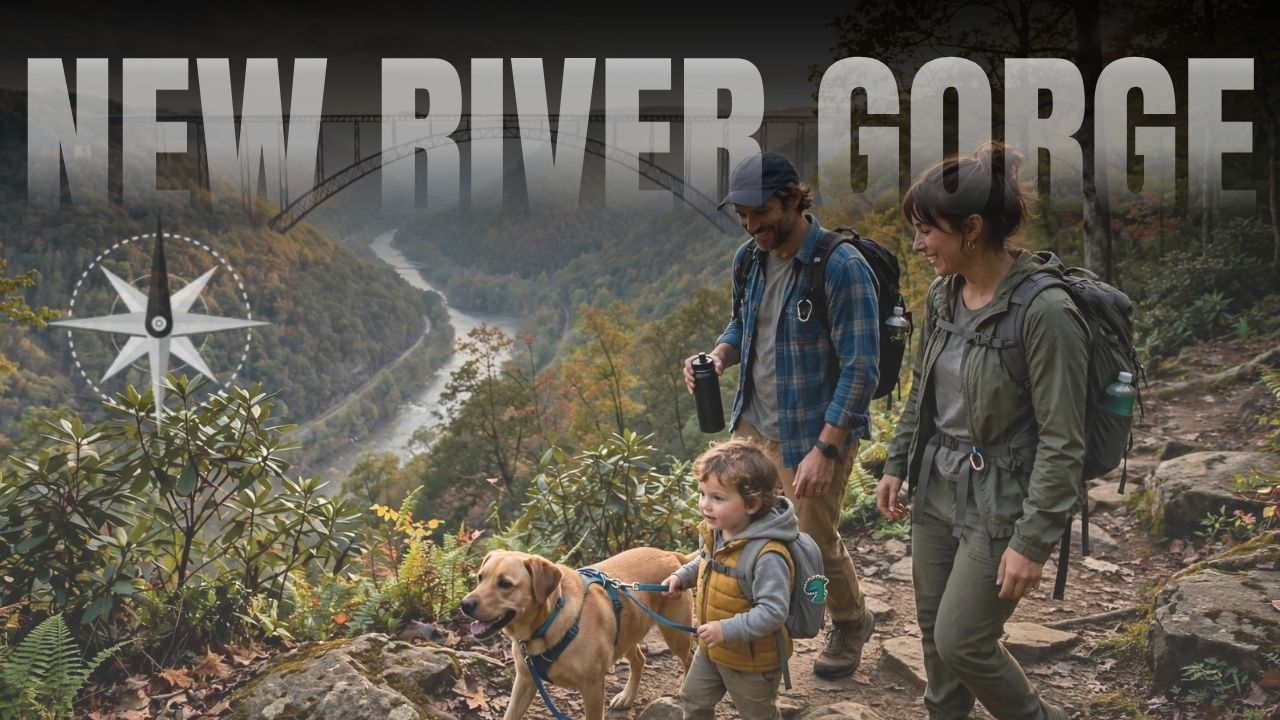
You prepare a list of actual trails for them to choose from.
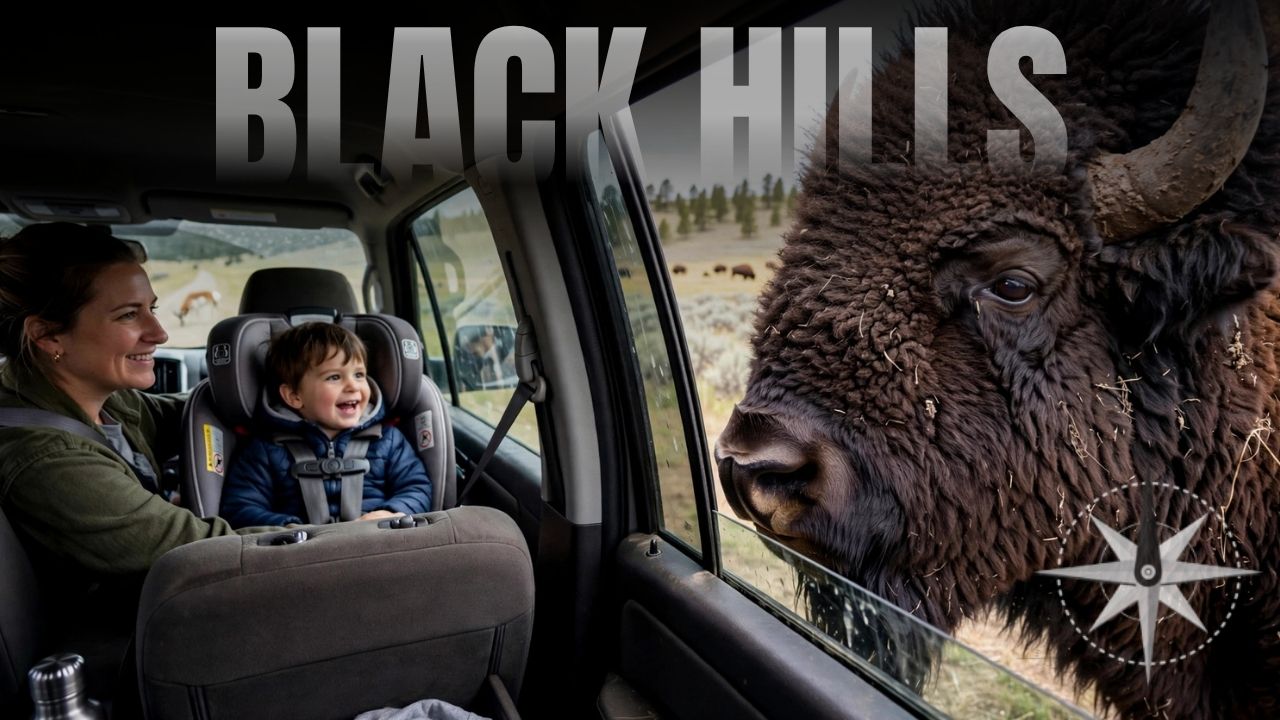
We took our toddler to the black hills, and I do recommend for parents who want to subtly develop their kids’ interest to try this.
The Week Before
Let kids help plan. Show them trail map, pictures of destination
Practice the foot check routine at home (shoes off, inspection, assessment)
Review safety rules (stay in sight, stop at junctions, whistle use)
Build excitement. “Remember all those training walks? THIS is what we trained for!”
Morning Of
Start early when kids are fresh (8-9am ideal)
Let them pack their own snack pockets
Double-check everyone’s bootlaces at the trailhead
Take a “before” photo for them to see progress later
On the Trail
Set expectations immediately. “We’re hiking for 2 hours, then turning around”
First fuel stop at 30 minutes, first foot check at 60 minutes
Let them lead when safe (empowerment equals engagement)
Use games before whining starts, not after
Celebrate small wins. “You just hiked a whole mile! Look how strong you are!”
If You Do Nothing Else, Remember These 3 Things
Break in boots during neighborhood training (Weeks 2-4 of your plan)
Check feet every 60-90 minutes without fail
Feed them every 30-45 minutes with small, high-energy snacks
Those three actions prevent 90% of the meltdowns that ruin family hikes.
The Mindset Shift That Changes Everything
Your goal isn’t reaching a summit or completing a specific trail. Your goal is creating positive trail memories so your kids WANT to hike again.
That means making smart choices about what success looks like.
A 1.5-mile hike where everyone smiled beats a 4-mile hike where someone cried
Turning back early with high spirits beats pushing through to bitter completion
Frequent breaks and snacks beats “toughing it out” for distance
Kid-led pace beats adult hiking speed
The journey truly matters more than the destination when you’re preparing kids for long hikes. Every positive trail experience builds their confidence, stamina, and love for the outdoors.
Every negative one sets you back weeks.
Conclusion
Start Week 1 of the neighborhood training plan this week. Just one 15-20 minute walk with your kids. That’s it.
Four weeks from now, you’ll be ready for your first real trail together. And they won’t even realize how much you’ve prepared them.
Ready to level up your family’s outdoor adventures? To help you plan your entire journey, we have included this training plan as a core part of our comprehensive family hiking resource hub which covers everything from trail selection to safety gear.
Have questions about preparing your kids for their first long hike? Drop a comment below or connect with our community on social media.