Hiking with Kids: The Essential Gear Checklist for Adventurous Families
The first time I took my kids on a “real” hike—not just a casual stroll in the local park, but a true adventure with steep climbs and changing weather—I learned a lesson that stayed with me like the memory of a sunny day. We were halfway up the trail, surrounded by stunning views, but our energy was fading. Why? Because I had ignored the simple but important effects of wet socks and a hungry belly.
There is a raw, untamed magic in watching your child summit a peak or discover a hidden waterfall. It’s the kind of core memory we chase as nomadic families, trading comfort zones for horizons. But that magic can vanish in a heartbeat if you aren’t prepared. Hiking with kids transforms the trail into a classroom, a playground, and occasionally, a battleground of wills.
Over the years, traversing trails from the damp forests of the Pacific Northwest to dry Mediterranean coastlines, I’ve refined our loadout down to a science. It’s not just about survival; it’s about ensuring the experience remains a joy rather than an endurance test. If you want to trade whining for wonder, you need the right gear. Here is the checklist that keeps our family moving.
The Backpack Dilemma: To Carry or Not to Carry?
There is a sweet spot when it comes to kids and backpacks. Give them too much weight, and you turn the hike into a slog. Give them nothing, and they miss out on the sense of ownership and responsibility that makes hiking so rewarding.
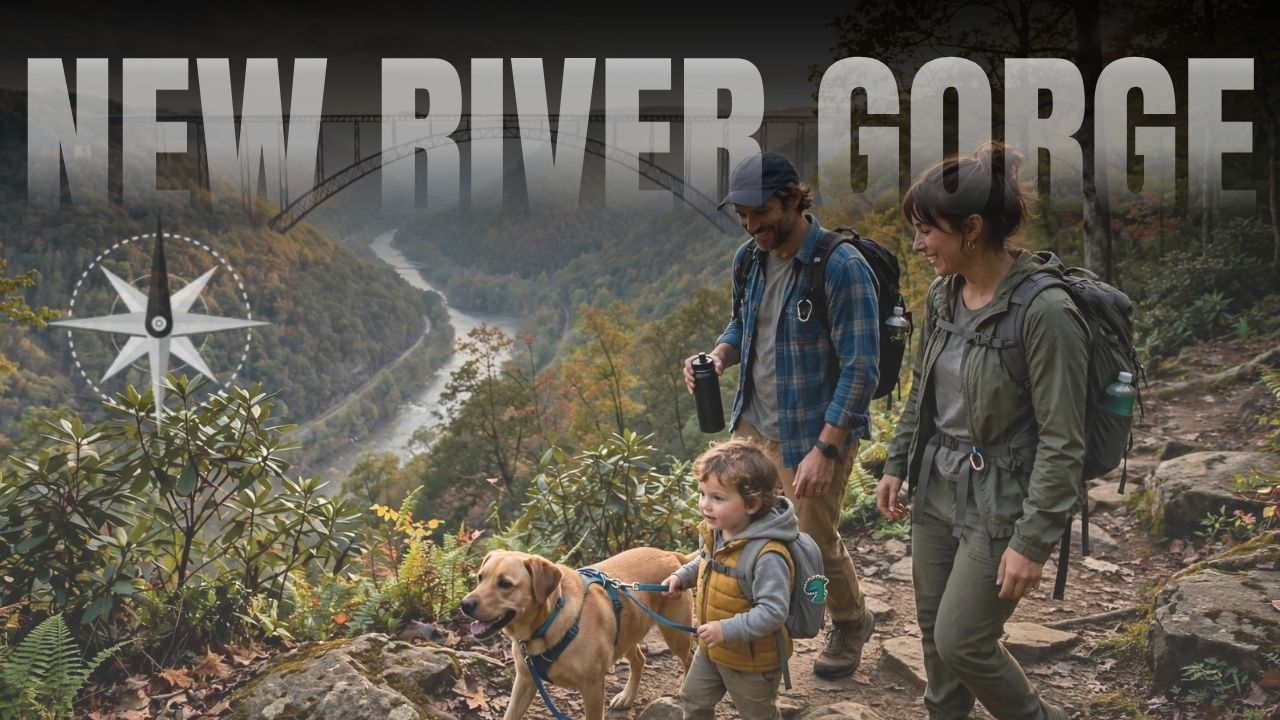
For toddlers and very young children, you are the pack mule. Invest in a high-quality carrier that saves your back. But once they hit preschool age, I encourage getting them their own pack. It gives them a job. The key is finding a bag specifically designed for smaller torsos. Look for padded shoulder straps and, crucially, a chest clip (sternum strap). That little clip keeps the straps from sliding off narrow shoulders, which is the number one cause of on-trail frustration.
We usually let them carry their own water, a whistle, and maybe a light jacket. I carry the heavy stuff, including the first aid kit, the lunch spread, and the emergency shelter. As they grow, their load grows, but comfort is always king.
Clothing: Mastering the Art of Layering
If there is one mantra every outdoor family learns quickly, it’s that “cotton kills.” It absorbs moisture, stays wet, and chills the body rapidly. When we are miles from the trailhead, I need to know my kids are thermoregulated, regardless of what the sky decides to do.
The Layering System
We treat clothing like a modular system.
- Base Layer: This sits against the skin. We use merino wool or synthetic blends that wick sweat away. It keeps them dry when they are scrambling up rocks and warm when we stop for a snack break.
- Insulating Layer: A fleece or a lightweight puffy jacket traps heat. This is the layer that comes on and off ten times an hour, but you cannot leave home without it.
- Outer Shell: A waterproof, windproof jacket is your shield. Even on sunny days, mountain weather can turn on a dime.
Don’t forget the extremities. I always toss a beanie and a pair of lightweight gloves into their packs, even in the shoulder seasons. Cold fingers make it impossible to open snacks or tie shoes, and that small frustration can end a hike prematurely.
Footwear: The Foundation of a Good Hike
You might get away with sneakers on a flat, dry path, but technical terrain demands better support. I’ve seen too many slips and twisted ankles to gamble on footwear.
For most trails, a dedicated kids’ hiking boot is worth the investment. You want something with deep lugs for traction on loose gravel or mud. Ankle support is helpful, especially for kids who are still finding their trail legs. However, if we are doing lighter, faster trails in hot weather, we sometimes opt for trail runners, which are lighter and breathe better.
The most critical factor is the break-in period. Never, ever put a child in brand-new boots on the morning of a long hike. Let them wear the boots to the playground or around the house for a week first. And pair those boots with wool or synthetic hiking socks. Good socks cushion the foot and manage moisture, preventing the dreaded blisters that can cripple a hike.
Safety Gear: Preparedness for Little Explorers
Safety isn’t just about what you carry; it’s about what you know. But having the right tools empowers kids to feel safe.
First-Aid Kit Adaptations
My first-aid kit looks different now than it did when I hiked solo. Aside from the standard bandages and antiseptic, I pack plenty of blister pads, sting relief wipes (tears stop faster if the itch stops), and children’s pain relief medication. A splinter removal kit is also surprisingly frequently used.
Navigation and Protection
While I carry the detailed topographic map and compass (and the GPS), I like giving the kids a simple printed map or a compass of their own. It builds spatial awareness.
Sun protection is non-negotiable. At higher altitudes, UV rays are stronger. We apply sweat-resistant sunscreen before we start and reapply at lunch. Sunglasses and wide-brimmed hats are mandatory uniform items for our clan.
The Whistle
Every child in our family carries an emergency whistle attached to their pack strap or zipper—not buried inside the bag. We have a strict rule: the whistle is not a toy. It is a tool to be used only if they are hurt or separated from us. We practice the “hug a tree and blow the whistle” drill regularly. It gives them confidence and gives me peace of mind.
Hydration and Nutrition: Fueling the Adventure
I treat snacks as trail currency. When energy lags, a well-timed handful of trail mix can buy you another mile of happy hiking. We avoid sugary spikes and crashes by sticking to high-energy, nutrient-dense foods: beef jerky, nuts, dried fruit, and energy bars.
For hydration, we’ve found that hydration reservoirs (water bladders) are a game-changer. Kids drink significantly more water when they have a tube accessible right at their shoulder than if they have to stop and dig a bottle out of a pack. Dehydration is a silent mood killer; by the time they say they are thirsty, they are already dehydrated. Regular sips keep the engine running smoothly.
Miscellaneous Gear That Makes a Difference
Sometimes, it’s the non-essential items that save the day.
- Insect Repellent: Nothing ruins a serene forest walk faster than a cloud of mosquitoes. We use wipes rather than sprays to avoid inhalation and ensure even coverage.
- Headlamps: If a hike runs long and dusk settles in, a headlamp turns a scary situation into an adventure. Plus, exploring caves or looking under logs with a light is endless fun.
- Binoculars: A cheap pair of kid-friendly binoculars can keep them engaged for hours, scanning for birds or spotting distant peaks.
- Hiking Poles: For older kids, poles can help with stability on uneven ground and give them a rhythm to march to.
Empower Your Next Family Adventure
Hiking with kids is an exercise in patience, preparation, and perspective. It forces you to slow down and see the trail through fresh eyes—to notice the beetles, the moss, and the shape of the clouds. When you have the right gear, you strip away the physical discomforts that distract from those moments.
You don’t need to buy the most expensive equipment on the market, but you do need to be intentional about what you pack. Every item on this list has earned its place in our backpacks through trial and error.
So, lace up those boots, check your supplies, and get out there. The wild is calling, and it sounds a lot better when everyone is warm, dry, and fed.
Do you have a piece of gear that has saved a family hike? I’d love to hear your recommendations and stories in the comments below.