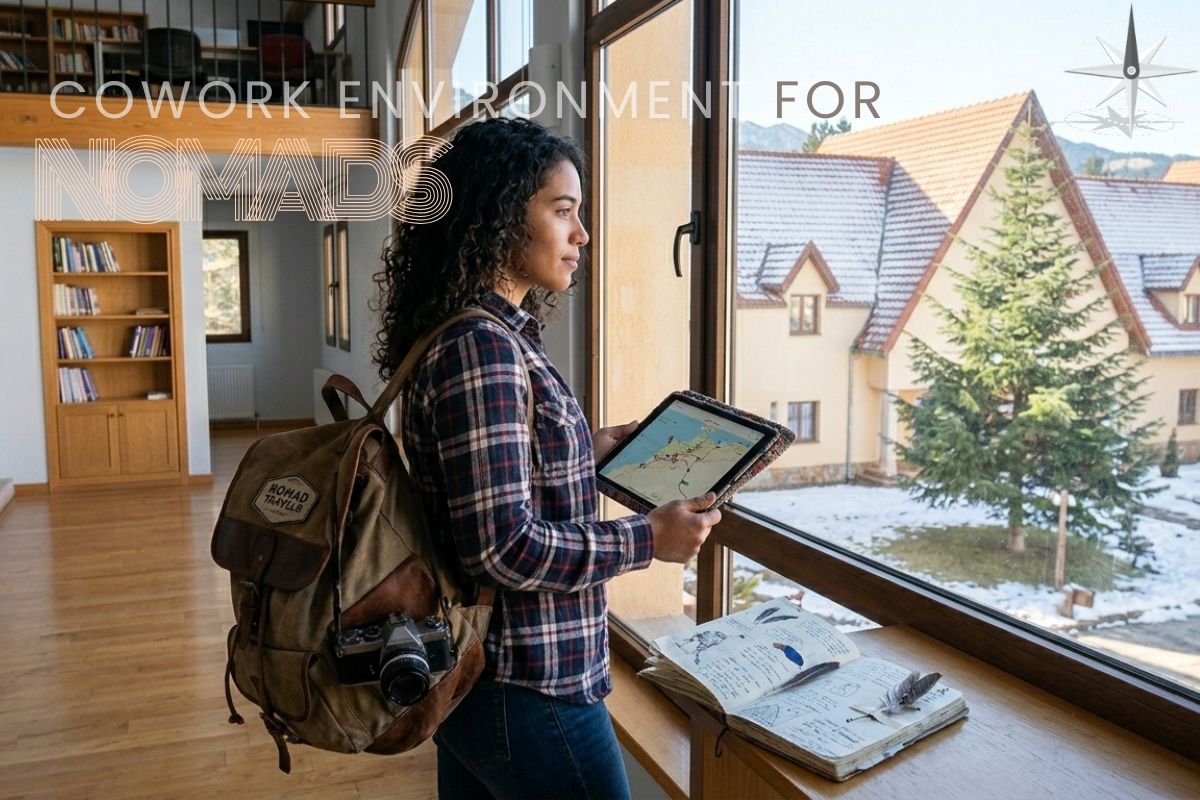
In a world increasingly defined by its flexibility and connectivity, the notion of freelancing has transcended from a niche career path to a thriving industry that empowers individuals across the globe.
Whether you’re looking to escape the confines of a traditional 9-to-5 desk job or eager to take the next step in your professional evolution, the freelance lifestyle offers unparalleled freedom and the potential for significant financial gain.
Navigating the move to freelancing, however, has its challenges. Our freelancing tips will equip you with the insights and tools to survive and thrive as a freelancer.
Understanding the Freelance Lifestyle

The allure of freelancing lies in its promises, prompting many to picture a life of leisure and independence. While this isn’t far from the truth, it’s essential to recognize the nuanced reality of freelance work.
Typically, freelancers are self-employed individuals who offer their services to clients on a project basis. Some freelancers travel the world as Digital Nomads, offering services from the other side. This can range from creative work, such as writing and design, to professional services like consulting and programming.
The Benefits and Challenges of Freelancing
Freelancing offers many advantages, including the autonomy to choose your projects, the ability to work from anywhere, and the potential for unlimited income.
However, it also brings forth challenges, such as managing an irregular income, loneliness, maintaining a robust self-employed skillset, and managing your freelance finances.
The Keystones of Successful Freelancing
Two qualities are indispensable to genuinely succeeding in the freelance world: self-discipline and self-motivation.
Unlike traditional jobs, no one can set your schedule or check your progress. The ability to structure your time and remain driven even without direct supervision is integral to your success—tools to Manage Your Freelance Career.
Assessing Readiness for Freelancing

Before leaping, it’s crucial to undertake a thorough self-assessment. This involves reflection on your skill set, professional interests, and personal goals.
Is Freelancing Right for You?
Ask yourself the tough questions. Are you comfortable working alone for the majority of your time? Can you handle the ebb and flow of project-based work?
Please take this freelance assessment test to see if you have the necessary character traits and lifestyle preferences to thrive in a freelance environment.
Evaluating Your Skills and Finance
Beyond personal inclinations, a hard look at your skills and finances is warranted. What do you bring to the table that’s unique and in demand?
You can start by evaluating the market and your strengths, then consider your financial stability and the potential for a fluctuating income. Essential Tools All Freelancers Need.
Mastering Essential Skills for Freelancing

The transition to a freelance career necessitates a change in job title and a fundamental reorientation in how you approach work.
Remember to invest in yourself; no one else will. Here are the core skills you need to cultivate:
Enhancing Time Management
Time is your most valuable commodity as a freelancer. Learn to allocate it wisely by setting precise work hours, utilizing productivity techniques like time blocking, and employing practical tools to keep on track with deadlines.
Perfecting Communication
Because in-person interactions are absent, remote work hinges on your ability to be straightforward and efficient.
Master the art of written and verbal communication, communicate clearly, and familiarize yourself with various communication platforms, from email to video conferencing tools.
Cultivating Self-Motivation
Motivation stems from purpose, and, as a freelancer, you must constantly replenish it. Identify your long-term goals, break them into actionable steps, and celebrate the small victories to keep your intrinsic motivation alive.
Unyielding Adaptability
In the fast-paced world of freelance, change is constant. Stay ahead by continually honing your skills, experimenting with different work strategies, and welcoming new challenges as opportunities for growth.
Striking a Work-Life Balance
One common pitfall of freelancing is the blurred lines between work and personal life. Develop clear boundaries by setting definitive work hours and establishing separate workspaces in your home.
Practical Steps to Transitioning to Freelancing

Now that you’re equipped with the right mindset and skill set, it’s time to take practical steps to transition into the freelance world.
Assessing Market Demand
Please take a look at the landscape of your industry or niche. What services are in demand? Who are the leading clients or prospective employers?
Researching these questions will provide invaluable insight into your future as a freelancer.
Building a Robust Portfolio
Your portfolio is your resume. It should reflect your highest quality work and showcase the depth of your skills and experiences.
Invest time building and regularly updating your portfolio to make a solid first impression with potential clients. Consider platforms like Fiverr and Upwork to get started.
Also See: Grow your blog with fiverr!
Networking and Marketing Yourself
Networking remains the lifeblood of freelancing. Tapping into online and offline professional networks and leveraging social media can open doors to new opportunities. Craft an engaging personal brand and market yourself with confidence.
Financial Planning
The financial aspect of freelancing can be daunting. Start by creating a financial plan that includes pricing your services competitively, budgeting wisely, and setting aside income for taxes and savings.
Developing good financial habits early on will ensure stability in the long run—great Financial Planning Tools for Freelancers.
Setting Up a Home Office
Your workspace is critical to your productivity and well-being as a freelancer. You can use a space in your home conducive to focused work. Ergonomics, lighting, and minimal distractions should be your primary considerations. Here are ten things every freelancer needs to succeed.
Overcoming Common Challenges in Freelancing

Despite all preparations, freelancers inevitably face hurdles along their path. Recognizing and preempting these issues is critical to your resilience.
Tackling Isolation and Loneliness
Freelancing can be isolating, mainly if you’re used to a bustling office environment. Combat this feeling by joining freelancer communities, working from shared workspaces, and maintaining regular social interactions.
Managing Client Relationships
Clients are the heart of your freelance business. Learn to manage relationships effectively by setting clear expectations, maintaining open lines of communication, and being adaptable to their needs.
Dealing with Uncertainty
Freelance work is unpredictable. Stay prepared by developing a contingency plan, saving for slow periods, and continually diversifying your skills and income sources.
Embracing the Freelance Lifestyle
Finally, as you move into the freelance lifestyle, appreciate its unique freedom and self-governance. Acknowledge the growth opportunities it presents and relish in the ability to live life on your terms.
Conclusion
The freelance lifestyle isn’t for the faint of heart, but it can be an advantageous path with the proper preparation and an enterprising spirit. Please take the time to fully understand what freelancing involves, and be bold in the necessary self-reflection and skill-building.
By taking a strategic approach to your freelance endeavors, you can create a fulfilling and sustainable career that aligns with your core values and ambitions.
Remember, the remote work revolution is already underway, and there’s never been a better time to join the ranks of the self-employed. So go ahead and take that leap. Your freelance adventure awaits!
More useful content for you on Nomadic Clan.
“Embracing the Nomadic Lifestyle: How to Work Remotely and Travel the World”
“Unlock Your Freelance Potential: Must-Have Tools for Success”
“Homesickness and the Great Outdoors: Coping Strategies for Expat Adventurers”