Limestone · 8 min from Rochemaure · 50+ routes (5b–7c) · October–June · Rhône valley panorama
Cruas Climbing: The Rhône Valley Training Crag 8 Minutes from Rochemaure
Cruas climbing crag is eight minutes from Rochemaure and it might be the most focused training venue in the entire Rhône Valley. Not the most accessible, not the fastest approach, not the best winter sun. What it offers instead is compact quality limestone in the intermediate to advanced grade range, a panoramic valley view from every belay, and a crag layout that lets a nomad parent climb at full focus without losing track of a dog or a toddler at the base.
This is not a crag for beginners or family days out. This is where you go when the session is yours, the window is three hours, and you need real movement on real rock before your noon call.
On the days when even eight minutes feels like too much, Rochemaure Dyke is the basalt crag you can reach on foot without a car from your front door. Despite this huge advantage, it does not give you the limestone grade range that a serious training session demands.
What Cruas Climbing Crag Delivers That Other Crags Cannot
The limestone at Cruas is good-quality valley limestone compact, well-featured, with the kind of positive edges and reliable friction that reward precise footwork over brute strength. It is well-bolted throughout the grade range, which means runout anxiety is not a factor on the routes most nomad climbers will be on.
On our last October session on this wall, the 6c line on the right sector rewarded three weeks of attempts. The footwork is precise, the holds are honest, and the rock temperature in autumn is as good as anywhere in the Ardèche region.
What makes Cruas climbing worth the eight-minute drive is not any single feature.
It is the combination of rock quality, sightline, and grade range that no other crag in the Rochemaure area delivers at this distance.
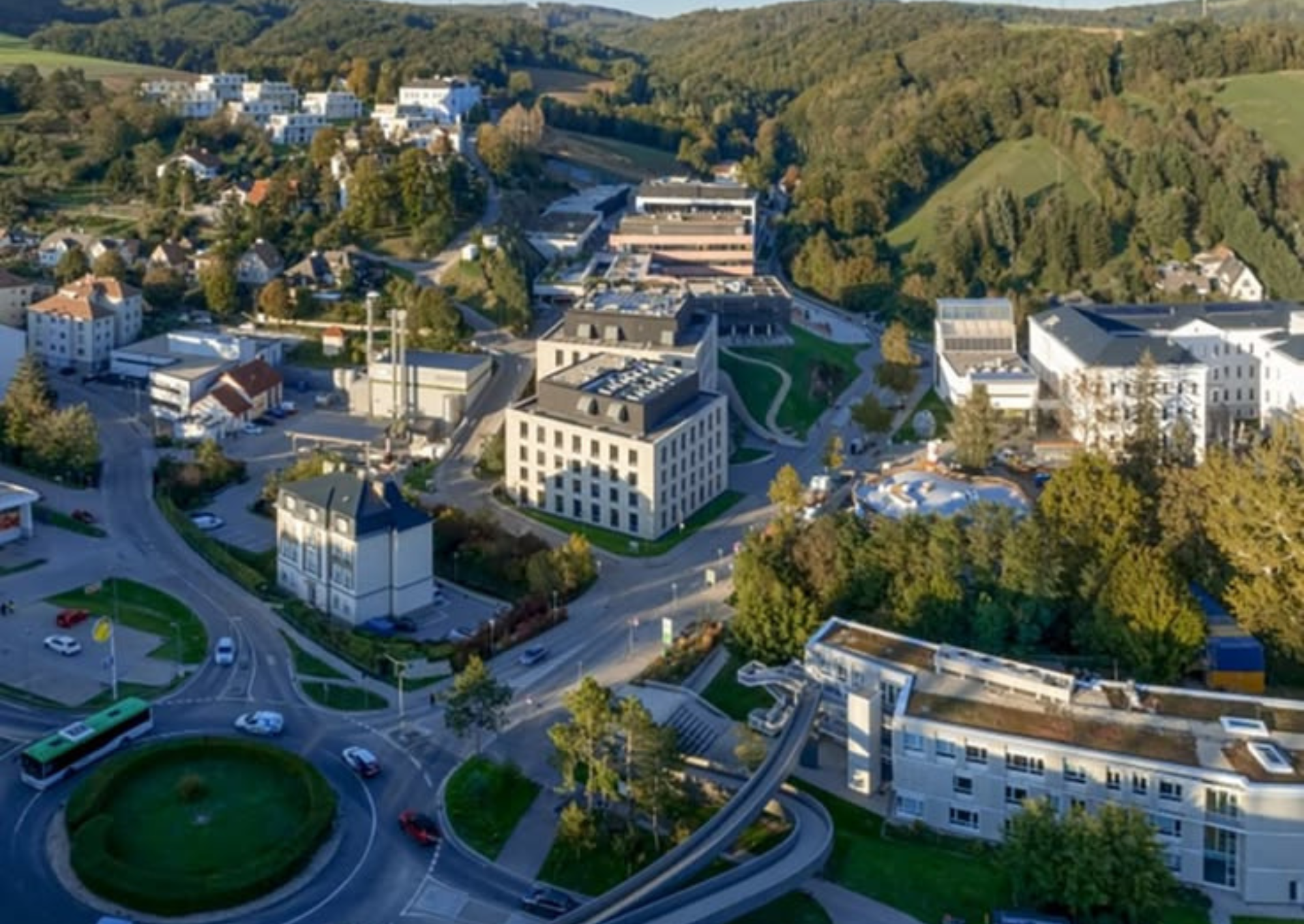
The Rhône valley panorama is not a bonus feature. From any belay position on the face, you are looking out over one of the widest valley floors in southern France; the river itself, the limestone ridgeline opposite, and on a clear day the first profiles of the Alps to the east. Climbers who have been to famous destination crags describe the view at Cruas as better than sites that charge for guided access. It is simply there, for anyone based in Rochemaure, on any morning they choose to drive eight minutes north.
Solo Parent Logistics: Climbing at Focus with a Dog or Toddler
Cruas works for a solo parent with a dog in a way that tighter, more complex crags in the Rochemaure area do not. The formula is simple: wide flat base, unobstructed sightlines from the wall, a dog who settles in one spot once the session rhythm establishes. You do not need a second adult at the ground. You need a dog that has done this before and a crag base that gives you the visibility to climb without constant ground-checking interrupting your focus.
We have run this configuration consistently through the autumn and winter months. The dog settles within ten minutes of arrival. By the second burn on the project route, the rhythm is established and the session runs itself.
For a toddler, the calculus is similar but requires more preparation. The flat base accommodates a travel mat, a bag of toys, and a snack supply for a 90-minute window. The absence of technical terrain near the base means a mobile toddler is not going to wander somewhere dangerous. This is not the same as having a second parent present, it is the minimum viable configuration for a solo parent who needs to climb and cannot always arrange ground support.
HONEST ASSESSMENT: Cruas is not the right crag for a child who wants to climb. There is no kids sector, no beginner lines, no top-rope setup suited to a small child learning. Bring Cruas into your rotation when the session is about your climbing, not theirs. For after-school family sessions with children climbing, use Chomérac La Vialatte. For a winter morning where you need to project at full effort, use Cruas.
Cruas has no natural water source at the base and no facilities. Pack in everything you need and pack out everything you bring. If you are new to the ethics of keeping a crag like this accessible and clean for the long term, our family guide to Leave No Trace climbing covers every practice that keeps limestone crags like Cruas open for the next generation of nomad climbers.
Seasonal Use: October to June – Month by Month
| October – November | Excellent. Rock is dry after summer, temperatures are ideal for friction-dependent movement at the harder grades. The valley panorama is clearest in autumn light. Recommended as the primary Cruas months for projecting. |
| December – January | Good for morning sessions. Some sectors get cold before the sun reaches the face arrive by 08:30 and start on the south-facing lines to warm up in available light. Shorter days mean finishing by 13:00 is realistic. |
| February – March | Very good and improving. Days lengthen, rock temperature climbs faster after cold nights, and the 07:00 start becomes genuinely viable by mid-February. Peak training months for a serious project. |
| April – May | Ideal. Long days, warm but not hot, rock in prime condition. The full session window 07:00 to 11:30 is available with no heat compromise. Best months for sending a project that has been building since autumn. |
| June | Good in the morning only. The south-facing sectors begin warming significantly by 11:00. Start before 07:30, climb through to 10:30, leave before the heat arrives. |
| July – August | Not recommended. The limestone face reaches uncomfortable temperatures by mid-morning and stays warm through the afternoon. Use Salavas Font Garnide or Vallon Grand Charmasson for summer climbing instead. |
| September | Transitional and often excellent. Summer heat breaks by mid-September, the face cools, and the October-quality window reopens. Underrated as a projecting month. |
The Training Session Plan: 07:00 to 11:30
| 06:50 | Pack complete from last night. Rope bag, 12 quickdraws, harness, chalk, dog water. Leave the house. |
| 07:00 | At Cruas parking. Nobody else here. Face is in morning shade — south-facing sectors catching first light. |
| 07:10 | At the crag base after approach. Dog settled. Shoes on. |
| 07:15 – 07:45 | Warm-up: two routes in the 5c–6a range. Read the rock, calibrate the friction, establish the footwork. |
| 07:45 – 09:30 | Project block: 6c or 7a target route. Four to five attempts with full rest intervals. No interruptions. |
| 09:30 – 09:45 | Rest interval. Walk to the parking. Check messages and email from the car — 4G reliable at the road. |
| 09:45 – 10:30 | Second block: either further project attempts or move to an adjacent 6b–6c for quality mileage. |
| 10:30 | Pack down. Dog walk along the base. Brief cooldown. |
| 10:45 | In the car. |
| 10:53 | Home in Rochemaure. Shower. At the desk before 11:30 video call. |
For anyone arriving from outside France, getting an Airalo eSIM is one of the tricks I wish I knew earlier before my first adventure. It gives you instant data connectivity across 190 countries without the need to hunt for a local SIM card. By so doing, your rest interval check-in is never dependent on roaming luck.
If Cruas climbing crag has earned a place in your weekly rotation, the next step is knowing how it fits alongside the other five crags in the Rochemaure cluster. Explore the complete guide to all 6 family-friendly climbing crags near Rochemaure for nomad families. Each one solves a different operational problem, and knowing which to use every other day is what turns a good climbing week into a genuinely productive one.
Have you climbed at Cruas with a dog or run a solo training session from a Rochemaure base? Tell us which routes delivered the best movement, how you handled the signal logistics, and what the valley view looks like on a clear November morning. Drop your comments. Together we will build a thriving nomad clan
Frequently Asked Questions
Is Cruas suitable for beginner climbers?
No. The grade range at Cruas starts at 5b and the crag has no dedicated beginner sector or top-rope setup suited to new climbers. If you are starting out or bringing a child on their first outdoor climb, Chomérac La Vialatte has a dedicated kids sector and a two-minute approach that makes it a far better entry point.
Can I climb at Cruas with my dog?
Yes. The open flat base at Cruas is one of the most dog-friendly configurations in the Rochemaure cluster. Full sightlines from the wall mean you can monitor a settled dog throughout your session without interrupting your climbing focus. Bring water as there is no natural source at the base.
What is the best time of year to climb at Cruas?
October through May gives the best conditions on the limestone face. October and November are the standout months for projecting at harder grades when rock temperature and friction are at their peak. Avoid July and August when the south-facing face becomes uncomfortably hot by mid-morning.
How does Cruas compare to Le Pouzin for a winter training session?
Le Pouzin Beaumiral catches sun earlier and holds it longer through the short winter days, making it the better choice for a December or January morning session when warmth is the priority. Cruas is the stronger venue from February onward when days lengthen and rock temperature climbs faster after cold nights.