
Stargazing Adventures to Extend Your Eclipse Experience
It’s finally here! The solar eclipse! What did you all do during this fantastic cosmic event?
The moon takes a bite out of the sun, creating a brief moment of darkness. Families gather, wearing fancy special glasses for a safe peek. As the sun disappears, excitement fills the air! Kids might ask, “What’s happening?” This is a perfect opportunity for parents to explain this incredible science exhibition!
After a few minutes, the moon moves away, and daytime returns from the sun. a. But no one would stop talking about it. The thrill has had the best of all. Families share what they saw and felt during totality. Ask any questions they still have about why the eclipse happened—Solar Eclipse Books For Kids on Amazon.
Amidst all these, do you know there are many more activities connected to the larger world of astronomy and space that families can engage in? It would be best if you tried stargazing to find constellations. Learn about galaxies and planets too. You could even build a simple telescope to take a closer look!
I have created a guide to provide some ideas for activities related to the total solar eclipse. These activities are designed to engage and encourage learning together. Although the eclipse was a fantastic event, it was over activities that will allow you and your family to continue experiencing a sense of wonder and curiosity. Depending on where you live or how much time you have, you could encourage the kids to plan the best spot for viewing the solar eclipse. These activities are meant to be fun and educational and will help everyone stay engaged and entertained. You can do it with your family aft quickly. Start before the Solar Eclipse by Making Solar Eclipse Glasses at home.
“Families have the opportunity to forge unforgettable memories under the mesmerizing shadow of the eclipse. By taking photographs, you can share this unique experience with others captivated by the total solar eclipse. Let’s maintain our excitement about our role in the vast cosmos!
Follow NASA’s recommended guidelines for a safe viewing experience during the Solar Eclipse.”
REFLECT ON THE ECLIPSE EXPERIENCE
![Check out this stunning image of the 2023 Total Solar Eclipse, when the Moon covers the Sun and turns day into night, showcasing the solar corona. It's perfect for enthusiasts looking forward to the 2024 Solar Eclipse. Key viewing locations include [notable places]. A solar eclipse occurs when the Moon passes between Earth and the Sun. This image is a great guide for planning your 2024 eclipse viewing experience.](https://nomadicclan.com/wp-content/uploads/2024/03/PIA21929orig-1-992x1024.jpg)
Right after the eclipse passes is a great time for exciting family moments. Parents can explain basic science, compare experiences, and have fun. Who notices the temperature drop? Birds go quiet, bird? Everything in Shadows looks between.
What better way to share the fun than to look back at photographs and videos? Point out special moments captured—the diamond ring and animals behaving strangely. Just name it – you might even get a good laugh at someone’s surprised expression!
Another way to enjoy the moment is to discuss how quickly eclipses happen. Could you talk about the planning preparation? Was it worth it?
Dive into cultural historical significance eclipses. How ancient civilizations view and interpret phenomena. Myths stories eclipse inspired—traditions and celebrations surrounding eclipses in different cultures worldwide.
Could you explain the astronomical rarity of total solar eclipses? The moon’s perfect size covers the sun entirely from Earth’s perspective. Share statistics on the regularity of eclipses occurring at the location.
Could you discuss future travel plans? This eclipse motivates the desire to see another someday. The following opportunities are in the coming years. Commit calendars and make arrangements. Dream about the best places to view eclipses.
Use conversations with kids to spark larger interest space. What else are they curious to learn? How do galaxies form? Are aliens real? The beginning of the universe? Future space travel and exploration?
Don’t stop the science fun! Now that you’ve seen an eclipse, what other amazing things exist to discover?
Could you talk as a family about what you found most interesting? You may want to learn more about the moon, the sun, or even how scientists study eclipses. There’s a whole universe waiting to be explored, and you can do it together!
ASTRONOMY ACTIVITIES AFTER ECLIPSE
- Nighttime is good for stargazing. Get a blanket and lay outside. Look up at the sky together.
- Use a star chart or app to identify constellations. See who can find Big Dipper first. Learn stories behind constellation names and shapes.
- Print out star wheel charts. Learn to find planets for the current month and time. Chase International Space Station is passing overhead.
- Attend local astronomy club meetings. Listen to presentations by experts. View through powerful telescopes. Ask questions.
- Visit the planetarium show. Immersive experience travels through the cosmos. I want you to leave inspired to explore space further.
- For artistic families, make galaxy paintings. Use cotton balls and markers to replicate swirl stars. Render the eclipse ceremony from ancient culture’s perspective.
- Could you check community college extension courses? They sometimes offer astronomy classes. Learn about black holes, life cycles, stars, and space missions.
- Keep exploring outdoors, too. National parks are great for viewing the night sky from a distance from city lights. Go camping and look for meteors and comets. Remember the Kennedy Space Center.
- Stay updated on future astronomy events and seminars in the area—many free lectures by scientists and historians. Share a passion for celestial wonders as a family.
TRAVEL IDEAS THAT BUILD ON THE JOY OF ECLIPSE
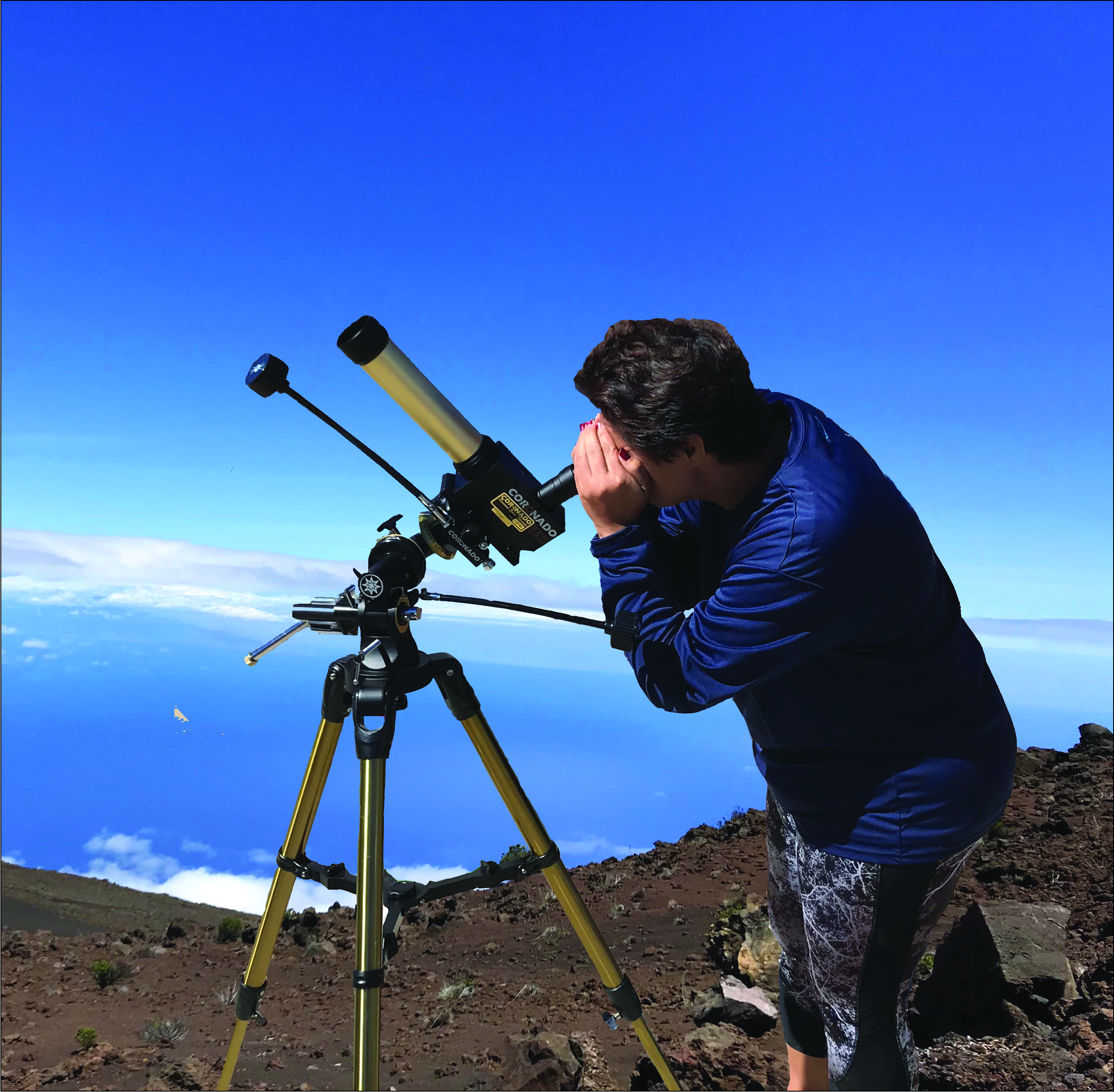
After home, astronomy activities may take learning on the road. Plan a family trip to the destination and connect more to the cosmos.
There are many museums focused on space exploration. Visit air and space museums in big cities like Washington, D.C., or Chicago. See real rockets and spaceships up close. Learn the history of the human journey into the stars. When visiting these sites, remember your National Park Pass.
Science museums are great, too. The interactive exhibits teach the principles of physics, motion, and gravity. Planetarium shows immerse in galaxy theories and the formation of the universe. Kids feel like blasting off themselves.
Could you hunt for an observatory near you? Some universities and national parks have observatories that the public can tour. Peer through powerful telescopes at planets’ moons. Ask astronomers questions about the latest research. Let’s catch a glimpse of a meteor shower if we’re lucky.
Plan future eclipse-chasing adventures! Look at charts of upcoming total solar eclipses worldwide in the following decades. South America, Europe, Asia, and Africa all get chances to host. Start saving for a dream eclipse destination.
For hardcore chasers, map out the path of totality like pros. Book hotels and reserve campsites along routes years in advance. Charter a plane or ship for the ultimate mobile viewing experience.
Not only are eclipses worth traveling for, but the northern lights are a big draw, too. Consider booking a family cruise to Alaska and setting sail to Scandinavia to glimpse the dazzling aurora borealis dancing across the night sky.
The Southwest United States boasts incredible dark sky locations. National parks like Arches Bryce Canyon Canyonlands lack light pollution. A pristine window into glittering galaxies shooting stars on display.
You could take a road trip to visit a variety of space-themed destinations. Alabama has NASA Marshall Space Flight Center Huntsville, New Mexico, home to expansive Very Large Array telescopes.
Other options are astronomy-based camping ecotours guided by experts. Daytime hike: learn wildlife botany. At night, settle in stargazing, identify constellations, and hear cosmic tales. Unwind totally under the brilliant blanket of the Milky Way.
No matter the destination, documenting the journey is essential. Share photos and videos on social media to inspire others to explore the universe’s wonders. Kids construct marble solar system models on car rides—mine for meteorites. Pack a picnic and eat underneath the lunar eclipse one night.
The world awaits you to be discovered through lens astronomy. Feed your family’s curiosities and see what’s out there. Chase eclipses, gaze at stars and create memories that will last a lifetime.
HOW TO MAKE ECLIPSE MEMORIES LAST FOREVER

After a fantastic eclipse experience, finding ways to preserve memories is essential. Please just document everything while it is fresh in your mind. Then, you can look back anytime and relive the magic.
Please print your favorite photos, frame them, and hang them on walls. You can also create a photo book album chronicling the entire adventure. Include maps used to plan viewing locations, ticket stubs from any travel, and artifacts like pinned-on eclipse glasses.
Could you write down everyone’s recollections and impressions? Little anecdotes easily forgotten over time. Hilarious quotes from awestruck youngsters. Poetic descriptions of how eclipsed sun corona appeared. Compile into a keepsake journal.
Make time-lapse videos from image sequences. Blend footage from multiple camera angles into split-screen edits. Add fun animated titles and text callouts explaining what is showing.
Splice in any video logs or interviews recorded before or after the eclipse. Let family members describe expectations and excitement in their own words. The lead-up is just as meaningful as the main event.
Creative parents could choreograph shadow dances, design costumes with strategically placed cutouts to project sunshades onto the sidewalk during partial phases, and photograph the unique performance.
Ask kids to write stories and poems about their eclipse day. Illustrate scenes from before, during, and after. Put together a class book and share it with teachers. Read Our Solar Eclipse Photography Tips.
Most importantly, share photos and videos widely—post on social media accounts. Message distant relatives to update them on astronomical happenings and share the fun with those who missed out.
Please consider entering images in photo contests. Many publications and magazines offer eclipses as themes in yearly competitions. Spreading imagery helps educate others and prepare them for the next occurrence. You can also contribute to science. Submit eclipse footage shadow data to research databases. Let observations and confirmations live on through studies and further knowledge.
CONCLUSION
Like any other astronomy activity, total solar eclipses are an opportunity to learn and have fun. Finding creative ways to preserve memories is always worth it. Eclipses may be quick, but memories never fade.
These events remind us of the universe’s immense beauty, waiting to be explored. No matter how documented, eclipse’s adventure provides the perfect excuse for family bonding. Take advantage of the upcoming one!